Many English learners, writers, and even native speakers get confused between “anyway” and “anyways.” At first, both words seem interchangeable, especially in casual speech. However, the difference becomes important in correct grammar, formal writing, exams, and
professional communication. This is why many people search for “anyway or anyways” they want to know which form is correct and which may sound unprofessional. The confusion
exists because “anyways” is common in informal American speech, while grammar rules recommend “anyway” as the standard form. This article explains the difference clearly, with examples and expert guidance.
Anyway or Anyways:Quick Answer
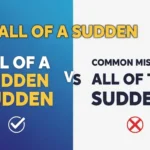
Anyway is the standard and grammatically correct form in both British and American English.
Anyways is considered informal or non-standard, mostly used in casual speech, especially in American English.
Examples:
- I don’t like coffee. Anyway, let’s talk about work. ✅
- I was tired, but I finished the task anyway. ✅
❌ Anyways, let’s start the meeting. (Not recommended in formal writing)
The Origin of Anyway or Anyways
To understand the difference, we need to look at the history and structure of these words.
Origin of “Anyway”
The word anyway comes from Middle English and originally meant “in any manner” or “by any means.” It is formed from:
- any (no matter which)
- way (manner or method)
Over time, anyway developed additional meanings, such as:
- nevertheless
- in spite of that
- changing the topic
Because of its long history and clear structure, anyway became the accepted standard in formal English.
Origin of “Anyways”
Anyways developed later through spoken English. Many English adverbs end in -s (like always or sometimes), so speakers naturally added -s to anyway.
However, grammar rules never fully accepted anyways as a standard form.
The spelling difference exists because anyways grew from speech habits, not formal grammar rules. That is why most dictionaries label it as informal or nonstandard.
British English vs American English Spelling
One of the biggest myths is that anyway is British and anyways is American. This is not completely true.
- British English: Strongly prefers anyway
- American English: Uses anyway in writing, but anyways appears in casual speech
Examples
- British English: It was raining. Anyway, we went outside.
- American English (formal): I’ll do it anyway.
- American English (informal speech): Anyways, let’s move on.
Comparison Table
| Feature | British English | American English |
| Standard form | anyway | anyway |
| Informal spoken form | rare | anyways |
| Formal writing | anyway only | anyway only |
| Exams & academic use | anyway | anyway |
Which Spelling Should You Use?
The answer depends on your audience and context.
- US audience: Use anyway in writing; avoid anyways in professional content.
- UK/Commonwealth audience: Use anyway only.
- Global audience: Always use anyway for clarity and correctness.
Professional advice: If you are unsure, choose anyway every time. It is always safe.
Common Mistakes with Anyway or Anyways
Mistake 1: Using “anyways” in formal writing
❌ Anyways, I am applying for the job. ✅ Anyway, I am applying for the job.
Mistake 2: Thinking “anyways” is more correct
❌ Anyways sounds more complete. ✅ Anyway is grammatically correct.
Mistake 3: Mixing styles
❌ The report is late. Anyways, please review it. ✅ The report is late. Anyway, please review it.
Anyway or Anyways in Everyday Examples
Emails
- I was busy yesterday. Anyway, I have completed the task.
News Writing
- The team lost the match, but they qualified anyway.
Social Media
- Didn’t like the movie, anyway it was fun with friends.
- Anyways, who’s coming tonight? (casual only)
Formal Writing
- The proposal was rejected; anyway, new options are being considered.
Anyway or Anyways:Google Trends & Usage Data
Search data shows that “anyway or anyways” is frequently searched in:
- United States
- India
- Pakistan
- Philippines
- ESL-learning regions
Anyway dominates in:
- News articles
- Academic writing
- Business communication
Anyways appears mostly in:
- Informal speech
- Social media
- TV shows and movies
This shows that people search this keyword to avoid grammar mistakes in professional writing.
Comparison Table:Anyway vs Anyways
| Feature | Anyway | Anyways |
| Grammar status | Standard | Informal / Non-standard |
| Formal writing | ✅ Yes | ❌ No |
| Spoken English | ✅ Yes | ✅ Casual only |
| British English | ✅ Yes | ❌ Rare |
| American English | ✅ Yes | ⚠️ Informal |
FAQs
Is “anyways” grammatically wrong?
It is considered non-standard, but common in casual speech.
Can I use “anyways” in emails?
Not in professional or formal emails.
Is “anyway” singular?
Yes, it refers to manner, not number.
Do dictionaries accept “anyways”?
Most label it as informal or dialectal.
Is “anyways” American English?
It is used informally in American speech, but not standard writing.
Which one should students use in exams?
Always use anyway.
Is “anyway” used to change topics?
Yes, it is commonly used as a discourse marker.
Conclusion
The difference between anyway or anyways may seem small, but it has a big impact on how professional and correct your English sounds.
Anyway is the safe, standard, and grammatically correct choice in all forms of writing, including academic work, business emails, news articles, and global communication.
Anyways, on the other hand, belongs mostly to casual spoken English and informal conversations, especially in American culture.
If your goal is to write clearly, correctly, and confidently, there is no real reason to use anyways.
Choosing anyway helps you avoid mistakes, follow grammar rules, and communicate effectively with both native and non-native readers. The key takeaway is simple: when in doubt, drop the “s.”
By understanding the origins, usage rules, examples, and trends explained in this guide, you can now use anyway naturally and correctly in any situation.
This small grammar fix can make a big difference in the quality of your English.
Read more about!
The Origin of Minimize or Minimise