English users around the world often feel confused when they see two spellings of the same word: “cancelled” and “canceled.” Both appear correct.
Both are used by native speakers. And both show up in news, emails, apps, and official notices. So why do people keep searching for “cancelled or canceled”?
The confusion happens because English spelling rules are not always the same in every country. British English and American English follow different conventions when adding
endings like ed or ing to verbs. As a result, one version doubles the “L,” while the other does not. This can be frustrating for students, writers, bloggers, and professionals who want their writing to look correct and professional.
People usually search this keyword when writing emails, travel updates, exam answers, articles, or social media posts. They want a quick answer, but they also want to know why the difference exists and which spelling they should personally use.
This article solves that problem completely. You will get a clear explanation, real examples, spelling rules, usage advice by audience, common mistakes, trends, FAQs, and expert guidance all in simple, clear language.
Cancelled or Canceled:Quick Answer
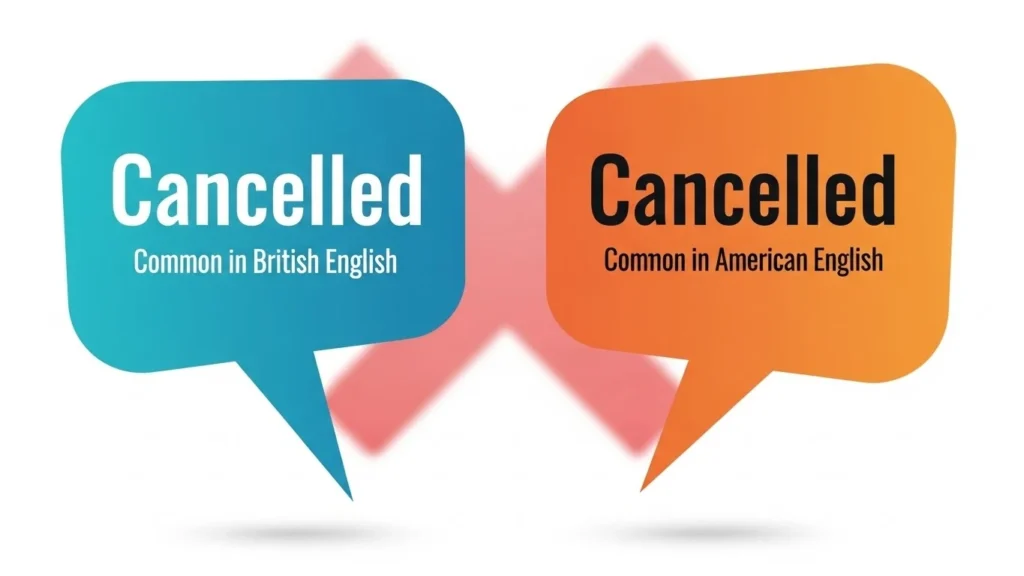
Both cancelled and canceled are correct.
- Cancelled is the preferred spelling in British English.
- Canceled is the preferred spelling in American English.
Examples:
- The meeting was cancelled due to rain. (British English)
- The flight was canceled due to bad weather. (American English)
Meaning is the same in both cases: decided not to continue or stop something that was planned.
The Origin of Cancelled or Canceled
The verb cancel comes from the Latin word cancellare, meaning to cross out or make invalid. It entered English through French and became common in legal and official language.
Originally, English spelling rules were less standardized. Over time, different regions developed different conventions. One major difference appeared in how consonants are doubled when adding endings like ed or ing.
In British English, the rule is simple: if a verb ends in a consonant + vowel + consonant, the final consonant is often doubled before adding ed or ing, even if the stress is not on the final syllable. That is why British English uses cancelled and cancelling.
American English later simplified many spellings. American dictionaries, influenced by reformers like Noah Webster, removed some doubled consonants. As a result, American English prefers canceled and canceling.
The spelling difference exists because of regional spelling rules, not because one form is wrong.
British English vs American English Spelling
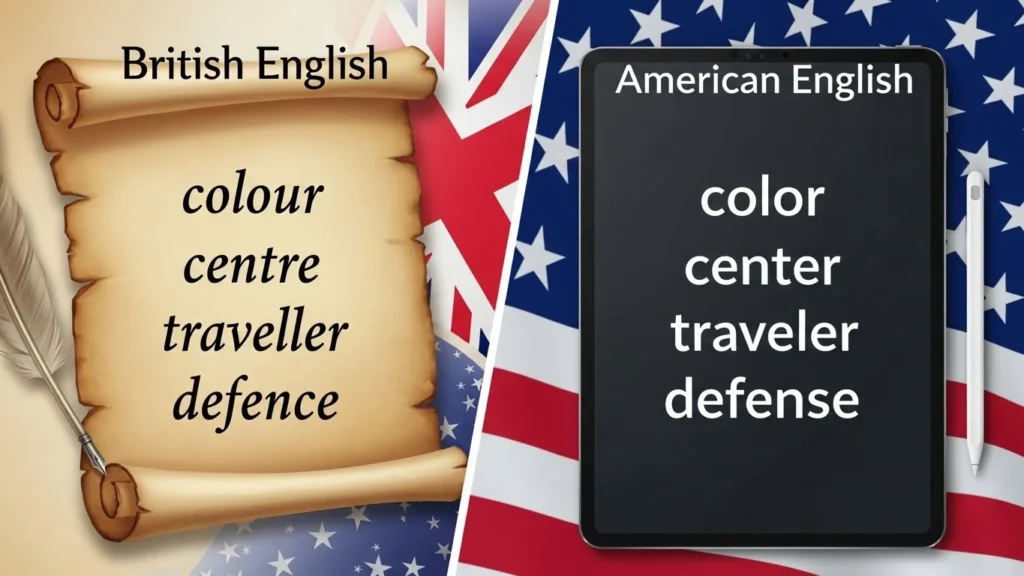
This is where the main difference appears.
British English
- cancelled
- cancelling
American English
- canceled
- canceling
Both follow consistent internal rules within their systems.
Examples in Context
- UK: The concert was cancelled at the last minute.
- US: The show was canceled before tickets were sold.
Comparison Table
| Feature | British English | American English |
| Past tense | cancelled | canceled |
| Present participle | cancelling | canceling |
| Rule | Double the L | Single L |
| Meaning | Same | Same |
Which Spelling Should You Use?
The correct choice depends on your audience.
If Your Audience Is in the US
Use canceled and canceling. This matches American dictionaries, schools, and style guides.
If Your Audience Is in the UK or Commonwealth
Use cancelled and cancelling. This is standard in the UK, Canada, Australia, and New Zealand.
If You Write for a Global Audience
Choose one style and stay consistent. Both are understood worldwide. Many international organizations prefer British English, but American English is also widely accepted.
Professional tip: Consistency matters more than the spelling choice itself.
Common Mistakes with Cancelled or Canceled
Mistake 1: Mixing styles in one document
The meeting was cancelled, but the trip was canceled. ✅ The meeting was cancelled, and the trip was cancelled. (British)
Mistake 2: Thinking one spelling is wrong
“Canceled” is incorrect English. ✅ Both spellings are correct.
Mistake 3: Forgetting consistency in formal writing
❌ The order was canceled, then later cancelled. ✅ The order was canceled, then later canceled.
Cancelled or Canceled in Everyday Examples
Emails
- The appointment has been cancelled due to an emergency.
- Your reservation was canceled automatically.
News
- The event was cancelled after safety concerns.
- Several flights were canceled during the storm.
Social Media
- My plans got cancelled 😞
- Trip canceled, staying home today.
Formal Writing
- The contract was cancelled by mutual agreement.
- The policy was canceled following review.
Cancelled or Canceled:Google Trends & Usage Data
Search data shows that “cancelled” is more common in:
- United Kingdom
- Australia
- India
- Pakistan
- South Africa
“Canceled” dominates searches in:
- United States
- American based platforms
Globally, both spellings appear frequently in travel, customer service, and news contexts. Users often search this keyword when writing official notices, school assignments, or online content. The trend confirms that regional spelling preference drives usage, not meaning.
Comparison Table:Cancelled vs Canceled
| Word | English Type | Usage Region | Example |
| Cancelled | British English | UK, Commonwealth | The class was cancelled |
| Canceled | American English | USA | The flight was canceled |
Frequently Asked Questions
Is “cancelled” correct English?
Yes. It is correct in British English.
Is “canceled” wrong?
No. It is the standard American English spelling.
Which spelling should I use in exams?
Use the spelling taught in your syllabus.
Can I mix both spellings?
No. Mixing styles looks unprofessional.
What about “canceling” vs “cancelling”?
The same rule applies as with canceled/cancelled.
Do grammar checkers accept both?
Yes, depending on the language setting.
Is the meaning different?
No. The meaning is exactly the same.read more about!Sewed or Sowed 600+:Which One Is Correct?
Conclusion
The difference between cancelled or canceled is not about right or wrong it is about where and how you are writing. Both spellings come from the same verb and carry the same meaning: stopping something that was planned.
The variation exists only because British and American English follow different spelling rules.
If you write for a UK, Commonwealth, or international audience, cancelled is the safer choice. If your audience is American, canceled is the better option.
What matters most is consistency. Switching between the two in the same document can confuse readers and reduce professionalism.
By understanding the origin, rules, examples, and usage trends, you can now choose the correct spelling with confidence.
IF you are writing an email, an article, a notice, or a social media post, you know exactly when and why to use cancelled or canceled. That clarity is what good writing is all about.
Related posts!
Me Either or Me Neither: Quick Answer

**Emily R. Dawson** I am a English language writer and editor i specializes in grammar clarity, sentence structure, and common writing mistakes.I focuses on helping readers write correct, natural-sounding English through simple explanations and practical examples. Emily mainly creates beginner-friendly and intermediate-level language guidesmy writing style is clear, supportive, and easy to follow.