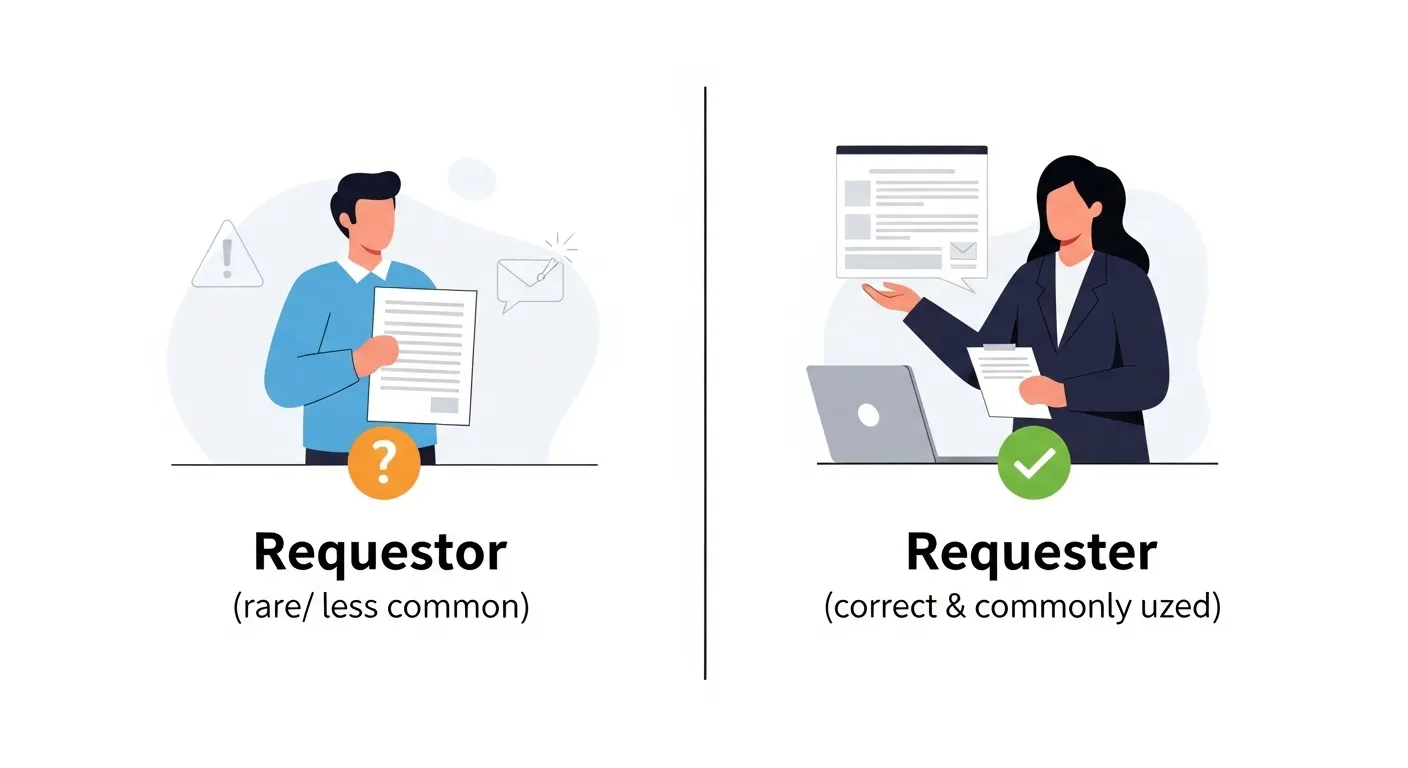
Requester is the correct and standard spelling, while requestor is a less common variant, and this simple answer clears the confusion immediately. Many people search for
“requestor or requester” because both words appear in emails, legal documents, IT systems, and forms, making it hard to know which one is truly correct.
Spellcheck tools often accept both, which adds to the doubt. Writers, students, professionals, and non-native English users want to choose the spelling that sounds natural, looks professional, and will not be marked wrong.
This article explains the difference clearly, explores the origin of both forms, compares British and American usage, highlights common mistakes, and gives practical advice so you always use the right word with confidence.
Requestor or Requester: Quick Answer
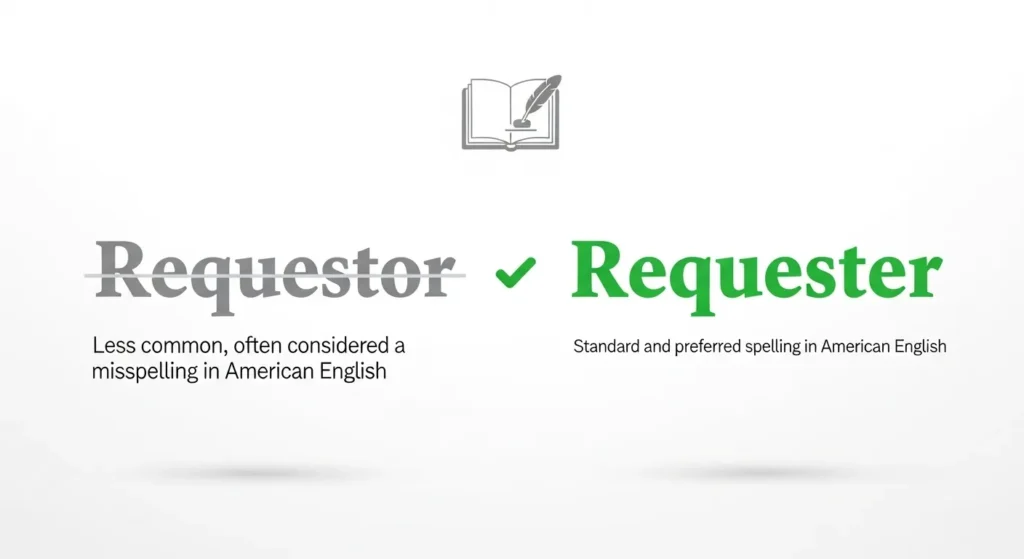
Requester is the most widely accepted and recommended spelling in modern English.
Requestor exists but is less common and mainly used in legal or technical contexts.
Examples:
- The requester must fill out the form completely. ✅
- Please contact the requester for more details. ✅
Less common:
- The requestor submitted the application. ⚠️ (acceptable but uncommon)
Simple rule:
For everyday, professional, and global English → use requester.
The Origin of Requestor or Requester
Origin of “Requester”
The word requester comes from the verb request, which entered English from Old French requeste and Latin requaerere, meaning to ask, seek, or demand. English commonly forms nouns for people by adding -er to a verb, such as:
- teach → teacher
- work → worker
- write → writer
Following this natural pattern, request + er = requester, meaning a person who makes a request. This structure feels intuitive to native speakers and matches everyday English rules.
Origin of “Requestor”
The spelling requestor uses the -or ending, which also appears in English words like actor, creator, and donor. This form entered English through Latin-influenced and legal language.
In some formal or technical documents, especially older ones, requestor was used to sound official or authoritative.
Why Both Forms Exist
- English uses both -er and -or endings
- Legal and technical writing often prefers Latin-style forms
- Modern English favors simpler, more natural patterns
As a result, both words exist, but requester became dominant in general usage.
British English vs American English Spelling
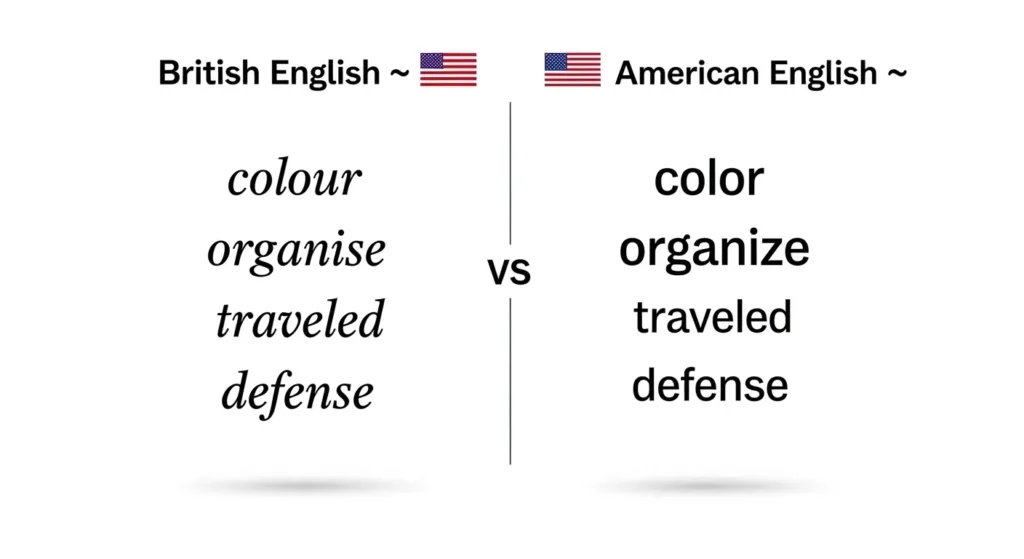
Unlike colour/color or defence/defense, requestor vs requester is not a strict British vs American difference, but usage trends do vary slightly.
American English
American English strongly prefers requester in:
- Emails
- Business writing
- IT systems
- Customer support
Example:
- The requester will receive a confirmation email.
British English
British English also favors requester, especially in modern writing. However, requestor may appear occasionally in legal or administrative documents.
Example:
- The requester must provide valid identification.
Comparison Table
| Feature | Requester | Requestor |
| American English | Preferred | Rare |
| British English | Preferred | Occasionally formal |
| Legal/technical use | Acceptable | More common |
| Everyday writing | Recommended | Avoid |
Which Spelling Should You Use?
For US Audiences
Use requester. It sounds natural, modern, and professional.
For UK and Commonwealth Audiences
Requester is also the safest and most widely accepted choice.
For Global and ESL Writing
Choose requester to avoid confusion and appear fluent.
For Legal or Highly Technical Contexts
Requestor may appear in contracts or system documentation, but requester is still widely understood and accepted.
Bottom line:
When in doubt, use requester.
Common Mistakes with Requestor or Requester
Mistake 1: Assuming Both Are Equally Common
❌ Both spellings are used the same way. ✅ Requester is far more common in modern English.
Mistake 2: Mixing Spellings in One Document
❌ The requester submitted the form, and the requestor followed up later. ✅ Use one spelling consistently, preferably requester.
Mistake 3: Thinking “Requestor” Sounds More Professional
Formal does not always mean correct or better. Clear language matters more.
Mistake 4: Letting Software Decide
Some systems auto-insert requestor, but human readers still expect requester.
Requester in Everyday Examples
Emails
- The requester asked for an urgent update.
- Please reply to the requester by Friday.
Business and Office Use
- Each requester must submit valid documents.
- The system logs the requester’s details.
IT and Technical Writing
- The requester sends a request to the server.
- Access is granted after the requester is verified.
News and Media
- The requester refused to comment on the issue.
Social Media
- I was the requester, not the approver 😅
Formal Writing
- The policy protects the rights of the requester.
Requestor or Requester: Google Trends & Usage Data
Search data shows that “requestor or requester” is a frequent query, especially among professionals working with forms, software systems, and legal text.
Popular Countries Searching This Term
- United States
- United Kingdom
- India
- Pakistan
- Canada
- Australia
Usage by Context
- Requester dominates in emails, articles, guides, and modern documentation
- Requestor appears more often in:
- Legal contracts
- Government forms
- Older technical systems
Overall, trend data confirms that requester is the more popular and trusted choice.
Comparison Table: Requestor vs Requester
| Word | Correct? | Commonness | Best Use |
| requester | Yes | Very common | General, professional, global |
| requestor | Yes | Less common | Legal or technical contexts |
FAQs About Requestor or Requester
Is “requestor” a real word?
Yes, but it is less common and mainly used in formal or legal writing.
Which is grammatically correct?
Both are grammatically correct, but requester is preferred.
Which spelling should I use in emails?
Use requester.
Is this a British vs American spelling difference?
No. Both varieties prefer requester.
Which spelling looks more professional?
Requester looks clearer and more modern.
Can I use both in the same document?
No. Choose one and stay consistent.
What do style guides recommend?
Most modern style guides favor requester.
Conclusion
The confusion between requestor or requester exists because English allows multiple noun endings and because both spellings appear in real-world writing. However, usage patterns make the correct choice clear. Requester follows the natural English rule of adding
-er to a verb to describe a person who performs an action. It is widely used in emails, business writing, academic texts, IT systems, and everyday communication.
While requestor is not technically wrong, it is less common and feels more formal or legal. In many cases, it appears due to tradition rather than necessity. For most writers, especially those aiming for clarity and professionalism, requester is the better option.
There is no strong British or American spelling divide here. Across the world, modern English users expect requester. Using it helps your writing sound fluent, consistent, and easy to understand.
Unless you are following a strict legal template that requires requestor, choosing requester will almost always be correct. Remember this simple rule, and you will never hesitate again when deciding between requestor or requester.
Related posts!