IF or Statement Excel: How to Use OR Inside IF Function📝
You use OR inside an IF statement in Excel when you want Excel to return TRUE if at least one ...
Read more
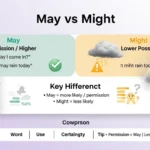
May vs Might: What Is the Difference?In 30 Seconds
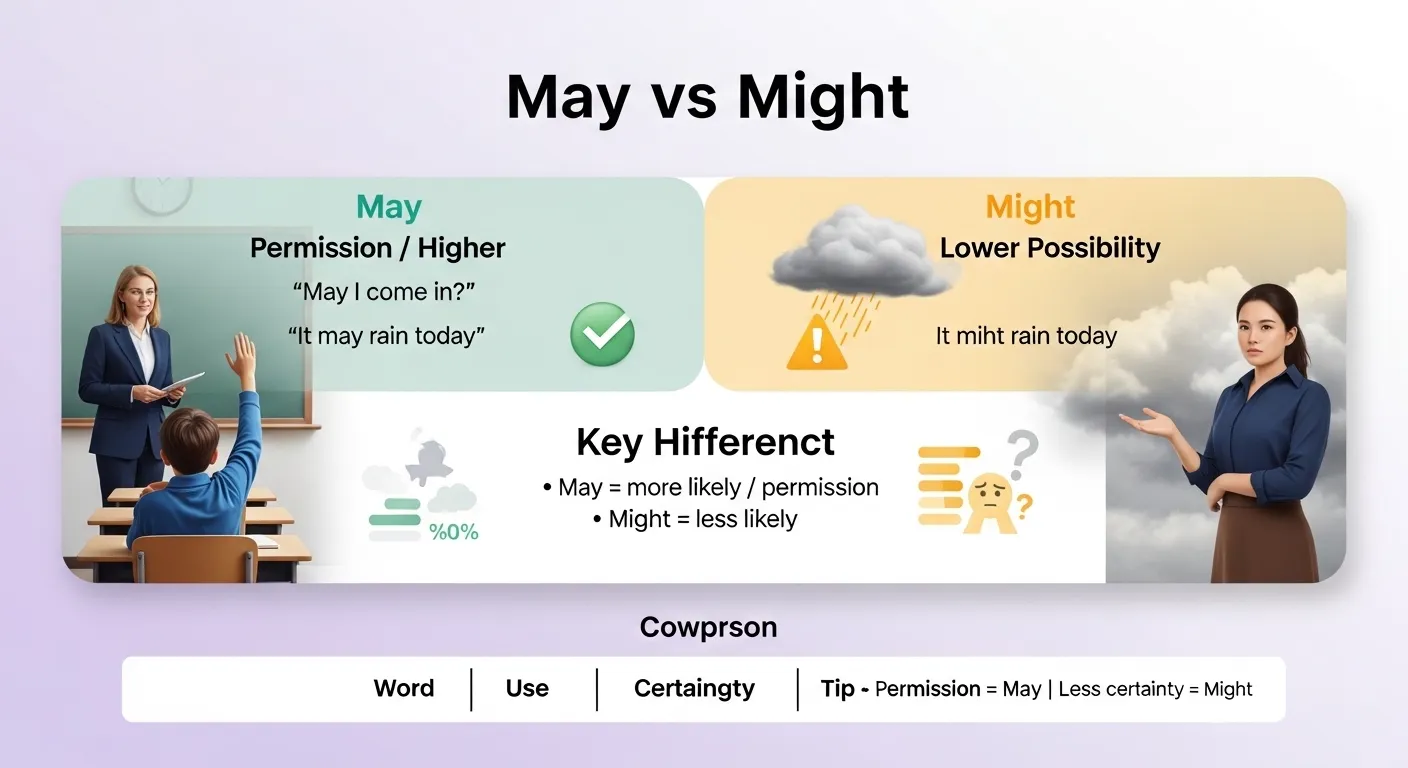
“May” is used for permission or a strong possibility, while “might” is used for a weaker or less certain possibility. ...
Read more
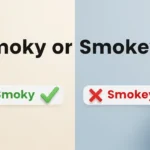
Smoky or Smokey: Which One Is Correct and How to Use It📚
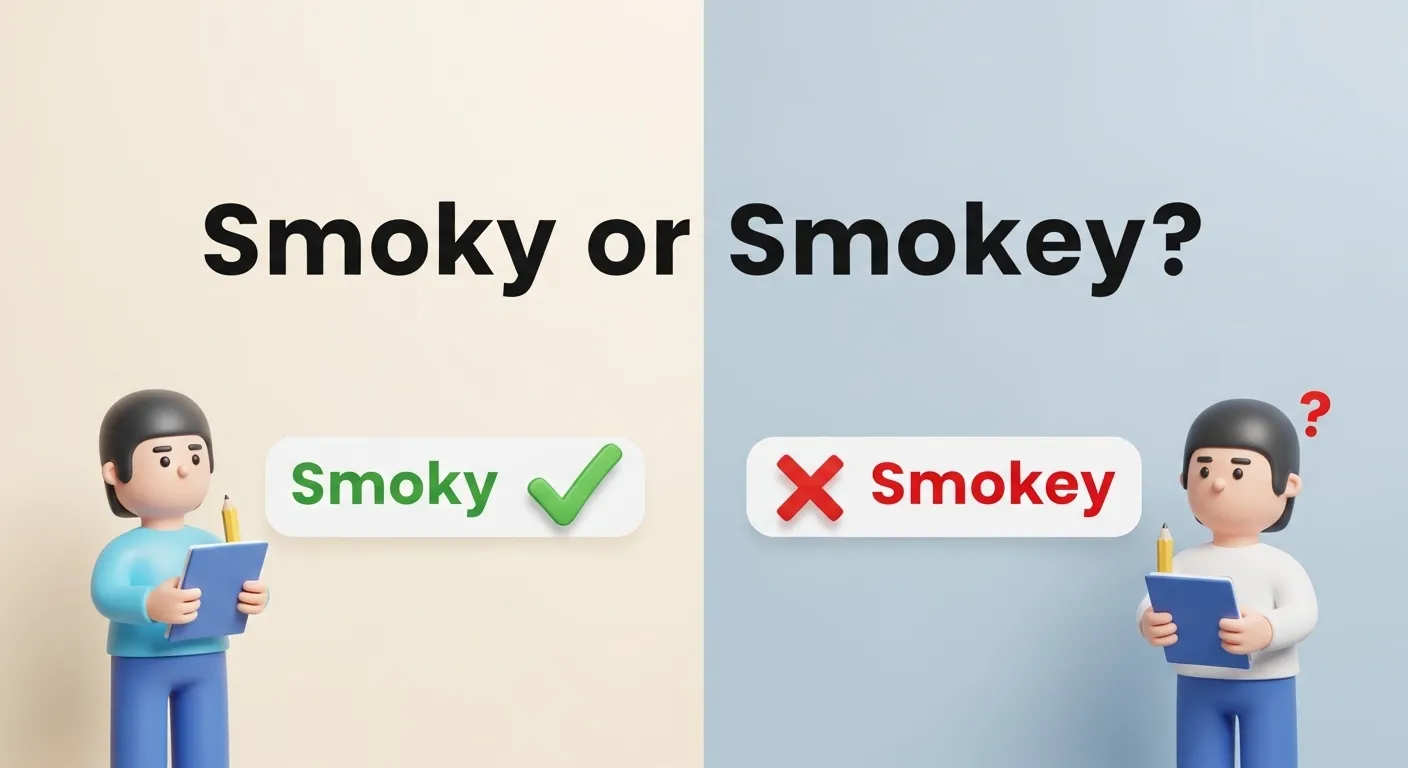
Smoky is the correct and most widely accepted spelling in modern English, though smokey is sometimes used informally, especially in ...
Read more
Person, Place, or Thing: Understanding the “Host” in Grammar 📝
Person, place, or thing host is a concept used to explain nouns in English grammar. A host can represent a ...
Read more
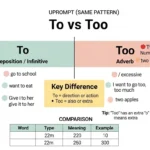
To vs Too: What Is the Difference?(2026)
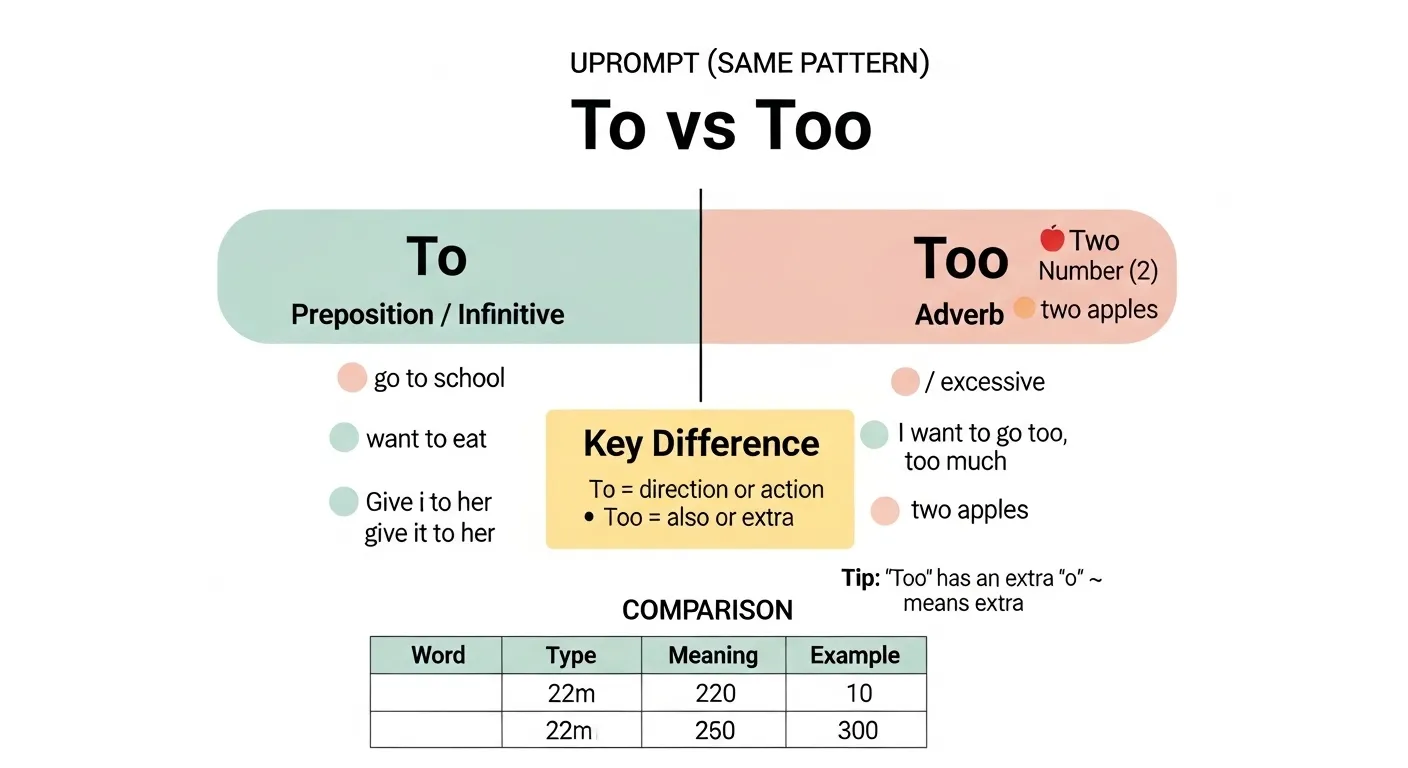
“To” is used for direction, purpose, or as part of a verb, while “too” means “also” or “excess.” Many people ...
Read more
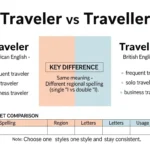
Traveler vs Traveller: What Is the Difference?(2026)
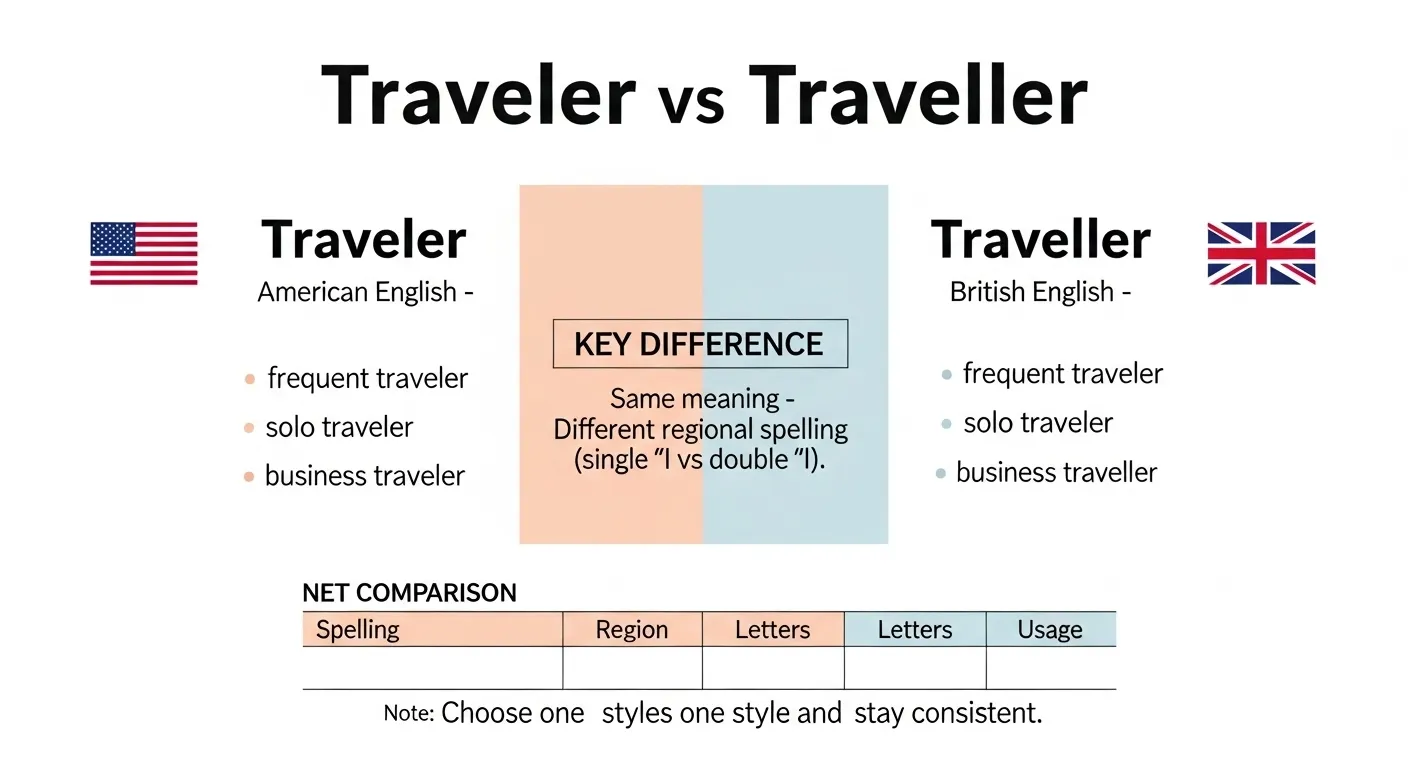
Traveler is American English spelling, while traveller is British English spelling both mean the same thing. Many people search for ...
Read more
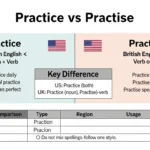
Practice vs Practise: What Is the Difference?
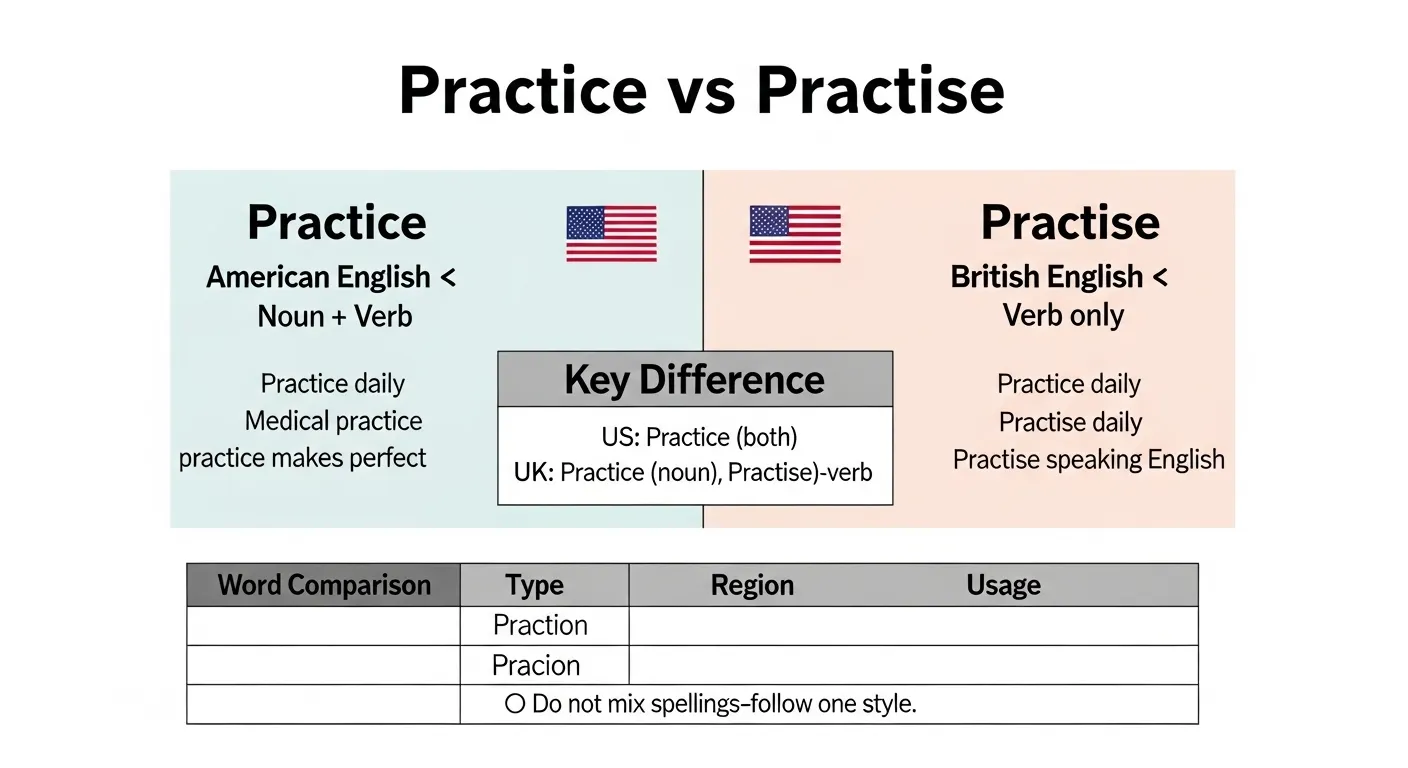
Practice is a noun in British English and both noun and verb in American English, while practise is a verb ...
Read more
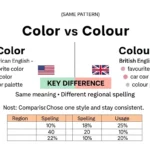
Color vs Colour: What Is the Difference?(2026)
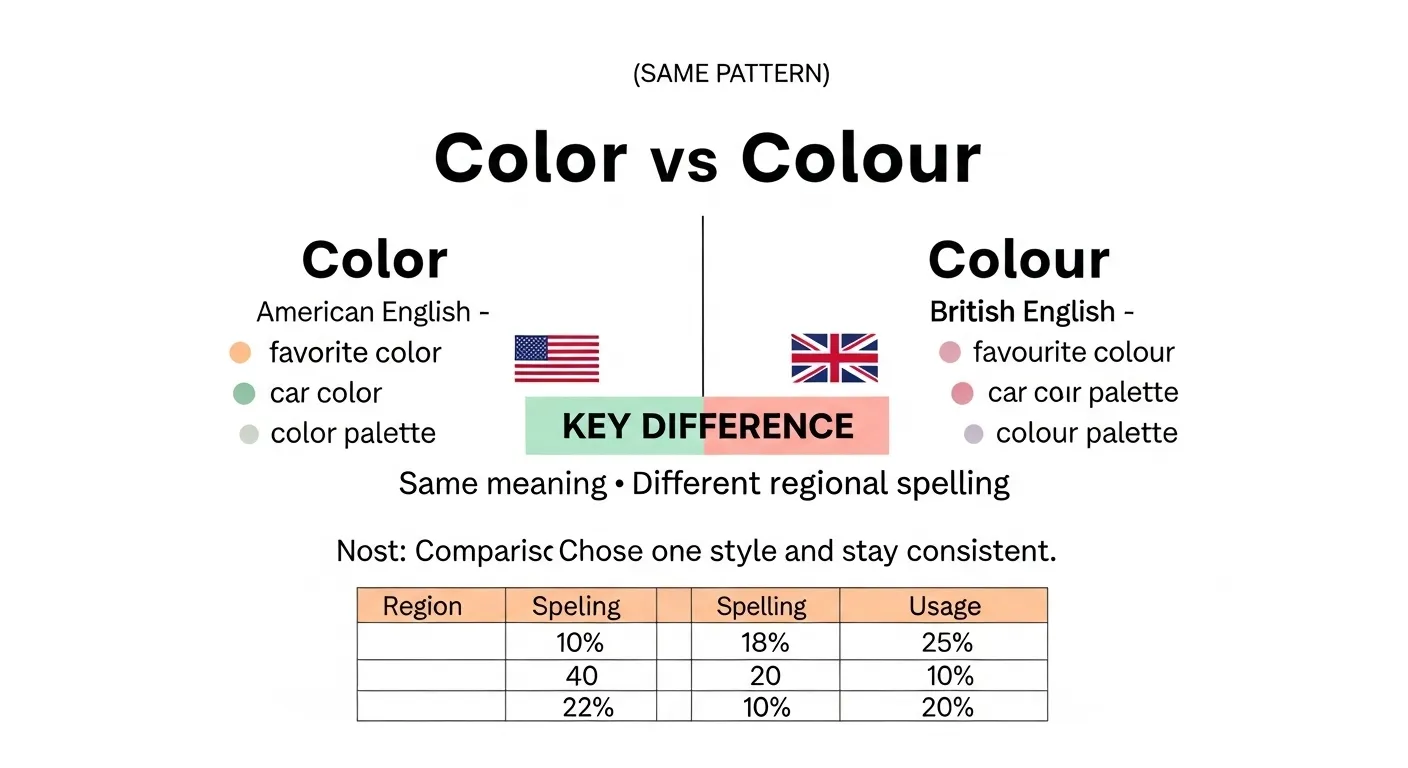
Color is American English spelling, while colour is British English spelling both mean the same thing. Many people search for ...
Read more
Since vs For: What Is the Difference?
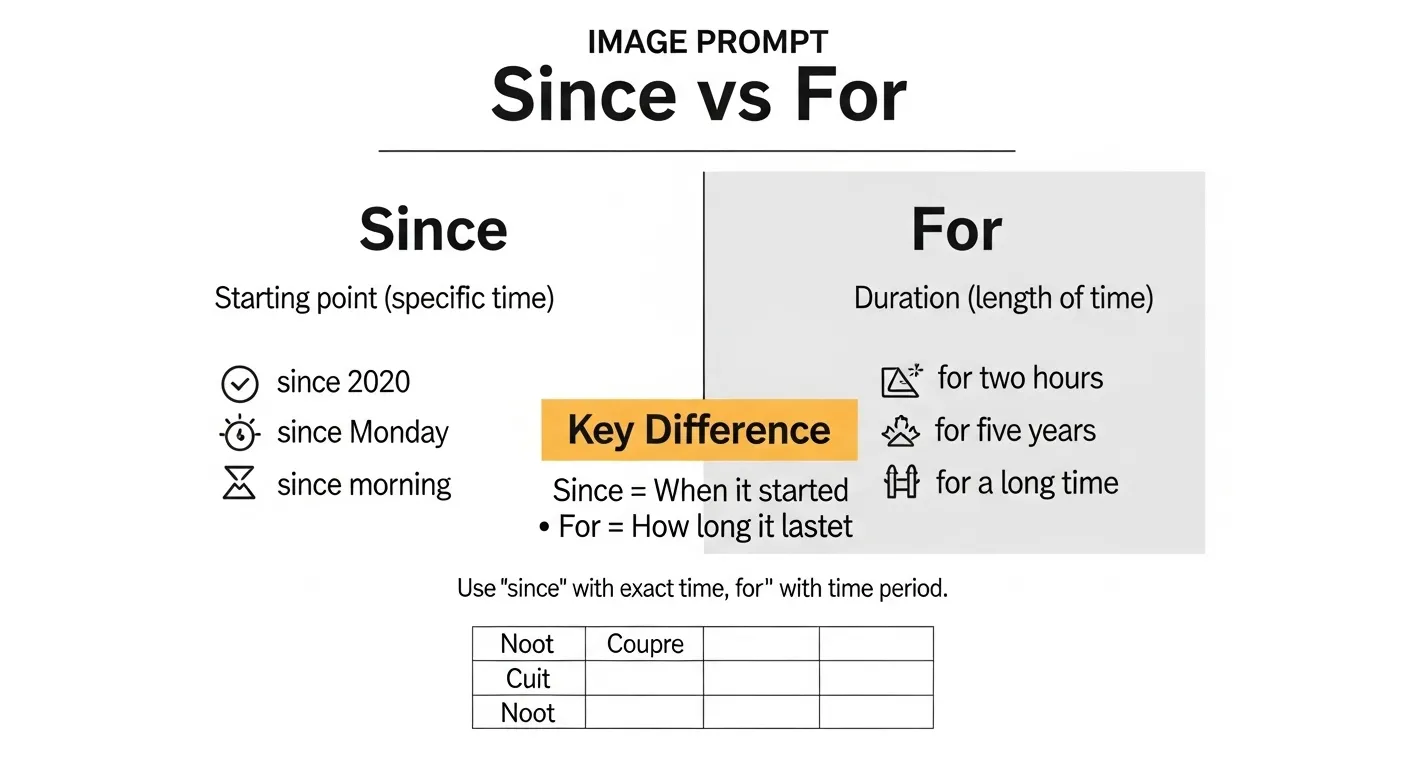
Since is used for a starting point in time, while for is used for a duration of time. Many people ...
Read more