“Into” is usually correct, but sometimes “in to” is also right. Many people search for “in to or into” because both forms look similar and sound the same.
This creates confusion in writing and exams. Learners are unsure which one to choose. Writers fear grammar mistakes. Students lose marks because of this small error.
The problem exists because English allows both forms, but with different meanings. One shows movement. The other shows connection between two verbs. This article removes that confusion.
You will get a quick answer first. Then you will learn rules, mistakes, and expert advice. Sentences are short. Language is simple. The goal is clear understanding.
In To or Into: Quick Answer
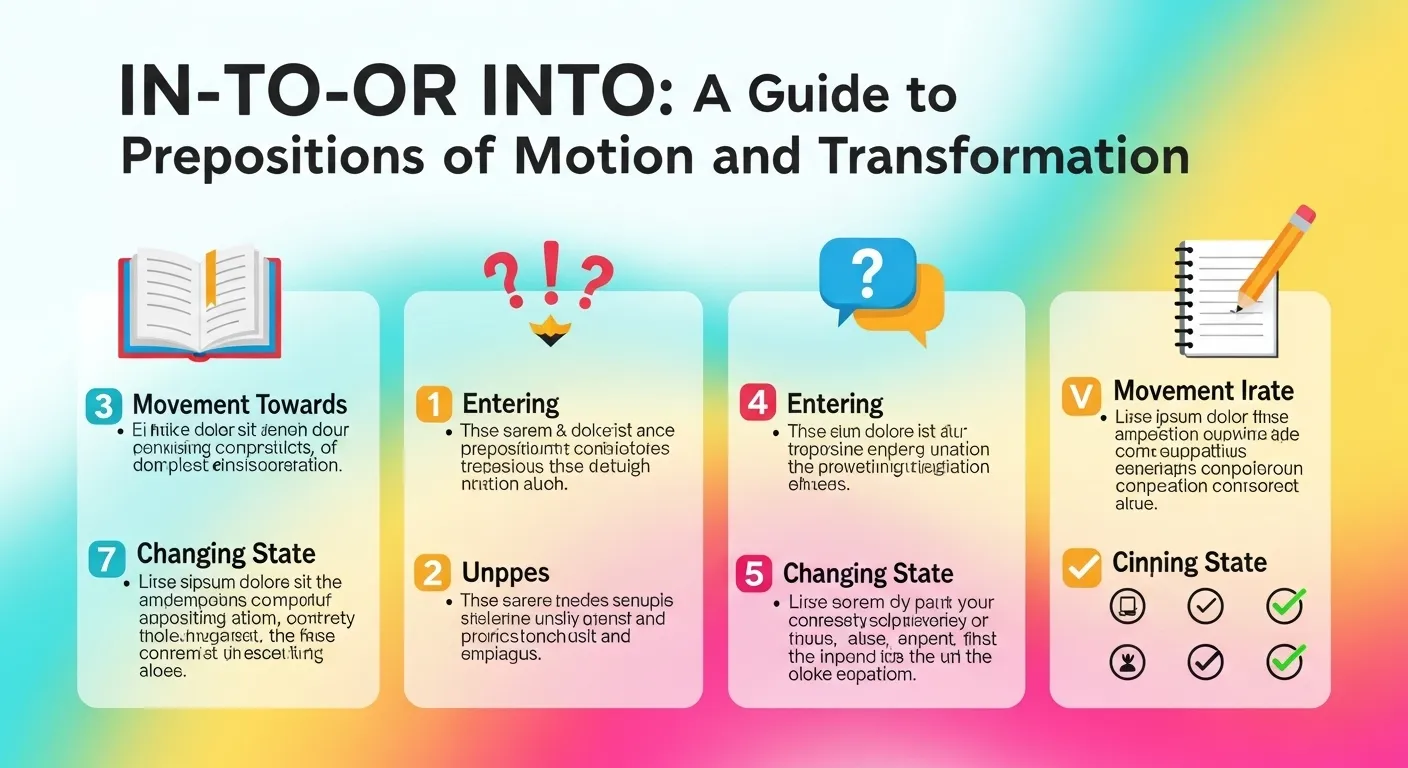
Into is used when something moves inside another thing.
In to is used when “in” belongs to the verb and “to” belongs to the next verb.
Examples:
- She walked into the room. ✅ (movement)
- She logged in to the system. ✅ (verb + to)
Incorrect:
- She logged into the system. ❌ (wrong in formal English)
The Origin of In To or Into
History of “Into”
The word into comes from Old English. It was formed by joining “in” and “to.” Over time, these two words merged. The meaning became clear. It showed movement or direction.
Early English writers used many forms. Spacing was not fixed. Sometimes words were joined. Sometimes they were separate. Printing and grammar books later fixed the rules.
Why Both Forms Exist
English kept both forms because they serve different purposes.
- Into shows direction or movement.
- In to keeps two separate grammar roles.
This is why both still exist today.
British English vs American English Spelling
This topic confuses learners, but there is good news.
British English
British English follows the same rule.
- Movement = into
- Verb + to = in to
Examples:
- He stepped into the lift.
- He checked in to the hotel.
American English
American English follows the same rule. There is no spelling difference.
Examples:
- She jumped into the pool.
- She signed in to the website.
Comparison Table
| Feature | British English | American English |
| Movement meaning | Into | Into |
| Verb + to | In to | In to |
| Grammar rule | Same | Same |
| Exam usage | Same | Same |
Key point: This is a grammar issue, not a regional spelling issue.
Which Spelling Should You Use?
For US Writers
Use into for movement. Use in to after verbs like log, sign, check.
For UK and Commonwealth Writers
Follow the same rule. It works everywhere.
For Global
Use the correct form based on meaning. Search engines favor correct grammar.
Simple Rule
If you can replace it with inside, use into. If to belongs to the next verb, use in to.
Common Mistakes with In To or Into
Mistake 1: Using “Into” After Login Verbs
❌ Log into your account. ✅ Log in to your account.
Mistake 2: Using “In To” for Movement
❌ She went in to the house. ✅ She went into the house.
Mistake 3: Overthinking Simple Sentences
Some writers guess instead of checking meaning. Always test movement.
Mistake 4: Ignoring Verb Phrases
Phrases like check in, break in, turn in often need in to.
In To or Into in Everyday Examples
In Emails
- Please log in to your email.
- Walk into my office.
News Writing
- The car crashed into a wall.
- Officials checked in to the system.
On Social Media
- Jumping into the weekend 😄
- Signed in to my new account 🔐
In Formal Writing
- Data was entered into the database.
- Users must sign in to the portal.
In To or Into: Google Trends & Usage Data
Search data shows strong interest.
Popularity by Country
- United States: High
- United Kingdom: High
- India: High
- Pakistan: High
- Australia: High
Why People Search This
- Exam preparation
- Writing emails
- Blogging
- Spoken vs written English
Usage Pattern
- Into appears more often overall.
- In to spikes with tech terms.
This shows user intent clearly.
Comparison Table: In To vs Into
| Point | Into | In to |
| Shows movement | Yes | No |
| Two separate words | No | Yes |
| Used with verbs | No | Yes |
| Common mistake | Less | More |
Frequently Asked Question
Is “into” one word?
Yes. It is one word.
Is “in to” ever correct?
Yes. When to belongs to the next verb.
Can I always use “into”?
No. Not with verbs like log in.
Is this different in British English?
No. The rule is the same.
Which is correct: sign into or sign in to?
Sign in to is correct.
Which is better for exams?
Use the form that matches meaning.
How can I check quickly?
Replace with inside. If it fits, use into.
Conclusion
The difference between “in to” and “into” is small, but important. Into shows movement or direction. It tells us something goes inside something else.
In to keeps two words separate. It connects a verb with another verb. Many mistakes happen because both forms sound the same. Writing needs clarity, not sound.
If you remember one rule, remember this. Test for movement. If there is movement, use into. If the verb ends with in and another verb follows, use in to. This rule works in emails, exams, blogs, and professional writing.
English rewards meaning, not guessing. When you choose based on meaning, you choose correctly.
Mastering in to or into improves accuracy and confidence.Small grammar rules make a big difference. This one is worth learning.
Related posts!
Master’s Degree or Masters Degree: Quick Answer

**Emily R. Dawson** I am a English language writer and editor i specializes in grammar clarity, sentence structure, and common writing mistakes.I focuses on helping readers write correct, natural-sounding English through simple explanations and practical examples. Emily mainly creates beginner-friendly and intermediate-level language guidesmy writing style is clear, supportive, and easy to follow.