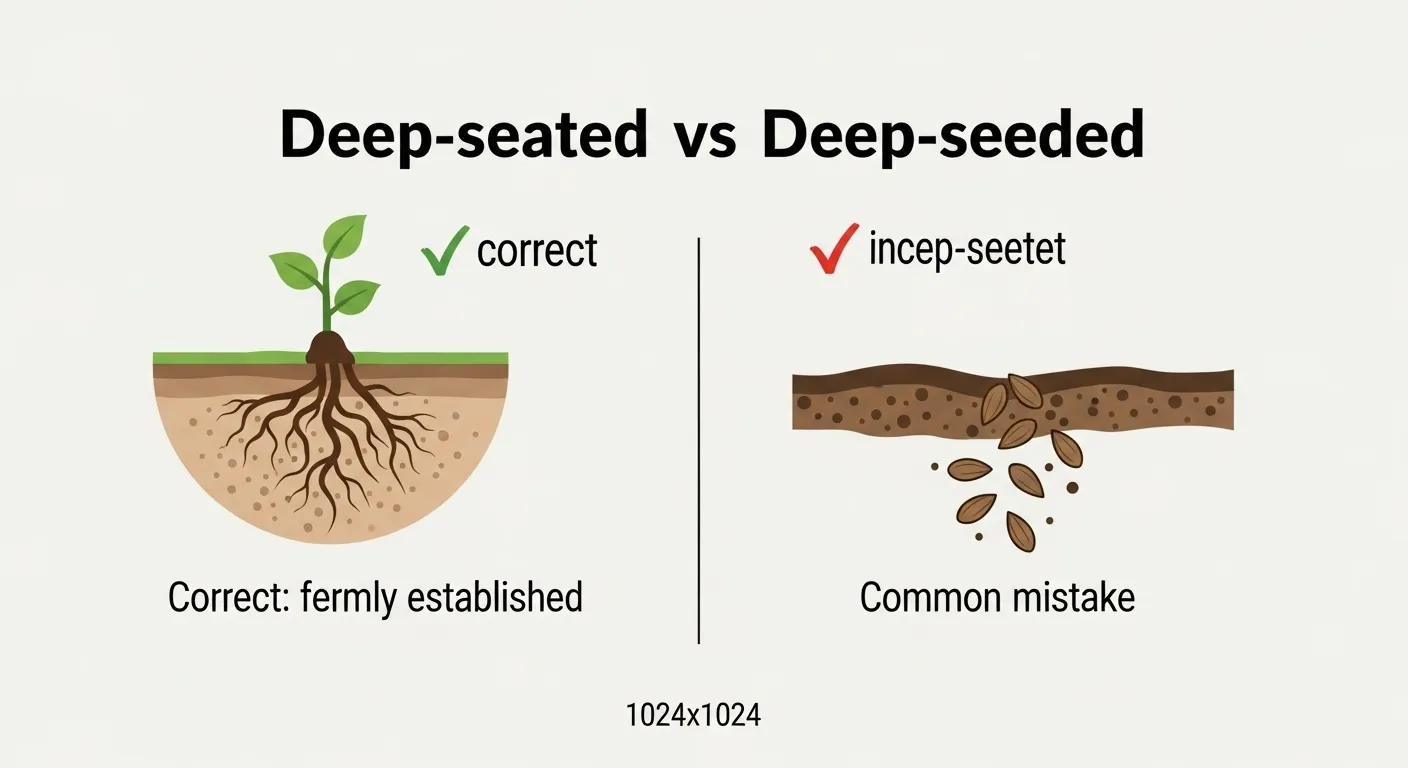
Deep-seated is the correct and standard form, while deep-seeded is considered a common mistake, and this clear answer solves the confusion right away. Many people
search for “deep seeded or seated” because both phrases sound almost the same when spoken, look similar in writing, and often appear online, in emails, and even in articles.
Spellcheck tools do not always flag the error, which adds to the doubt. Writers want to know which version is correct, professional, and safe to use.
This article explains the difference in simple language, covers the origin of the phrase, compares British and American usage, highlights common mistakes, and gives clear advice so you can confidently use the right form every time.
Deep-Seeded or Deep-Seated: Quick Answer
Deep-seated is correct.
It means strongly fixed, firmly established, or deeply rooted, especially when talking about feelings, beliefs, fears, or problems.
Deep-seeded is usually incorrect and is considered a spelling error in standard English.
Examples:
- She has a deep-seated fear of failure. ✅
- There is a deep-seated mistrust between the groups. ✅
❌ He has a deep-seeded fear of heights.
Simple rule:
If you mean firmly established or deeply rooted → use deep-seated.
The Origin of Deep-Seated or Deep-Seeded
Origin of Deep-Seated
The phrase deep-seated dates back to the 16th century. The word seated comes from the verb seat, meaning to place firmly or fix in position.
When something is seated deeply, it is firmly set and hard to remove. Over time, deep-seated came to describe ideas, emotions, habits, and problems that are strongly fixed in the mind or system.
Early meanings included:
- A disease deeply seated in the body
- A belief firmly seated in the mind
Where “Deep-Seeded” Came From
Deep-seeded appeared much later as a result of misunderstanding. Because deep-seated sounds similar to deep-seeded, many speakers assumed the phrase referred to seeds
growing deep in the ground. This logical but incorrect interpretation caused the misspelling to spread in informal writing.
Why the Confusion Exists
- The two phrases sound almost identical
- “Seeded” feels logical and visual
- Many people learn the phrase by hearing it, not reading it
Despite this, dictionaries and style guides agree that deep-seated is the correct form.
British English vs American English Spelling
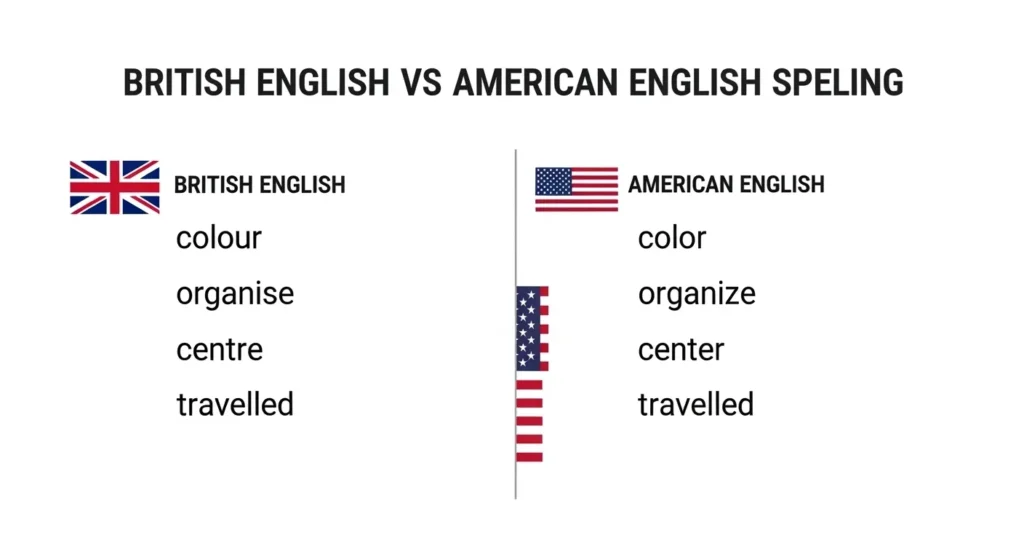
Unlike colour/color or organise/organize, deep-seated and deep-seeded are not British vs American spellings. Both British and American English follow the same rule.
British English
- ✅ deep-seated (correct)
- ❌ deep-seeded (incorrect)
Example:
- The issue is deep-seated in British society.
American English
American English also uses deep-seated as the standard form.
Example:
- The problem is deep-seated in the system.
Comparison Table
| Feature | Deep-Seated | Deep-Seeded |
| British English | Correct | Incorrect |
| American English | Correct | Incorrect |
| Dictionary status | Standard | Nonstandard |
| Professional writing | Recommended | Avoid |
Which Spelling Should You Use?
For US Audiences
Always use deep-seated in professional, academic, and casual writing.
For UK and Commonwealth Audiences
The rule is the same. Deep-seated is correct and expected.
For Global English Users
If you write for an international audience, deep-seated is the safest and most accepted choice.
For Exams, Blogs, and Formal Writing
Using deep-seeded may be marked as incorrect or careless. Deep-seated shows strong language control and professionalism.
Common Mistakes with Deep-Seated or Deep-Seeded
Mistake 1: Using “Deep-Seeded” Because It Sounds Right
❌ A deep-seeded belief held him back. ✅ A deep-seated belief held him back.
Mistake 2: Assuming Both Are Acceptable
❌ Both spellings are fine. ✅ Only deep-seated is standard English.
Mistake 3: Overthinking the Meaning
Writers sometimes think seated does not make sense for emotions. Historically, it does.
Mistake 4: Copying Informal Online Usage
Social media and blogs often contain errors. Always rely on dictionaries and style guides.
Deep-Seated in Everyday Examples
Emails
- There is a deep-seated issue with communication.
- We need to address these deep-seated concerns.
News Writing
- The country faces deep-seated economic problems.
- Deep-seated tensions remain after the election.
Social Media
- That fear is deep-seated 😬
- These habits are deep-seated and hard to change.
Formal and Academic Writing
- The study highlights deep-seated structural inequalities.
- The conflict is rooted in deep-seated historical factors.
Deep-Seated or Deep-Seeded: Google Trends & Usage Data
Search trends show that “deep seeded or seated” is a very common query among students, writers, and non-native English learners.
Popular Search Regions
- United States
- United Kingdom
- India
- Pakistan
- Canada
- Australia
Usage by Context
- Deep-seated dominates books, academic papers, news articles, and professional writing
- Deep-seeded appears mostly in informal blogs, comments, and social media
This shows that while the mistake is widespread, standard English strongly prefers deep-seated.
Comparison Table: Deep-Seated vs Deep-Seeded
| Phrase | Correct? | Meaning | Example |
| deep-seated | Yes | firmly established | deep-seated fear |
| deep-seeded | No | — | incorrect usage |
FAQs About Deep-Seeded or Deep-Seated
Is “deep-seeded” ever correct?
No. It is considered nonstandard and incorrect in formal English.
Why do people still use “deep-seeded”?
Because it sounds logical and is learned by hearing, not reading.
Do dictionaries accept “deep-seeded”?
Most major dictionaries list deep-seated as the correct form.
Is this a British vs American difference?
No. Both use deep-seated.
Can I use “deep-seated” for emotions?
Yes. It is commonly used for fears, beliefs, habits, and problems.
Will exams mark “deep-seeded” wrong?
In most cases, yes.
How can I remember the correct form?
Think of something being firmly seated, not planted like a seed.
Conclusion
The confusion around deep-seeded or deep-seated is very common, but the correct answer is clear. Deep-seated is the standard, dictionary-approved phrase used to describe
things that are firmly established and difficult to change. It has been part of English for centuries and appears in literature, academic writing, journalism, and professional communication.
On the other hand, deep-seeded developed as a misunderstanding because the phrase sounds similar and creates a strong mental image.
While this mistake is widespread online and in casual writing, it is not accepted in standard English. Using it in formal contexts can weaken your credibility and distract readers.
There is no British or American spelling difference here. The rule is global.If you are writing an email, essay, blog post, report, or exam answer, deep-seated is always the safer and correct choice.
If you remember that the phrase comes from the idea of something being firmly seated or fixed in place, the confusion disappears. By choosing deep-seated, you ensure clarity, correctness, and professionalism in your writing.
Related posts!
The Origin of Ensure or Insure

I am Oliver H. Grant. I am a English language writer and editor my focuses on grammar, word usage, and common English mistakes.
I specializes in explaining the differences between British and American English in a clear and practical way.
my writing style is simple, learner-friendly, and designed to help readers understand English with ease.
My work is also SEO-focused, making it especially useful for online learners and readers.