Label vs Lable: Common Spelling Mistake Explained Simply
The correct spelling is label, while lable is usually a spelling mistake. Many people search for “lable or label” because ...
Read more
Defense or Defence: Which Spelling Is Correct?
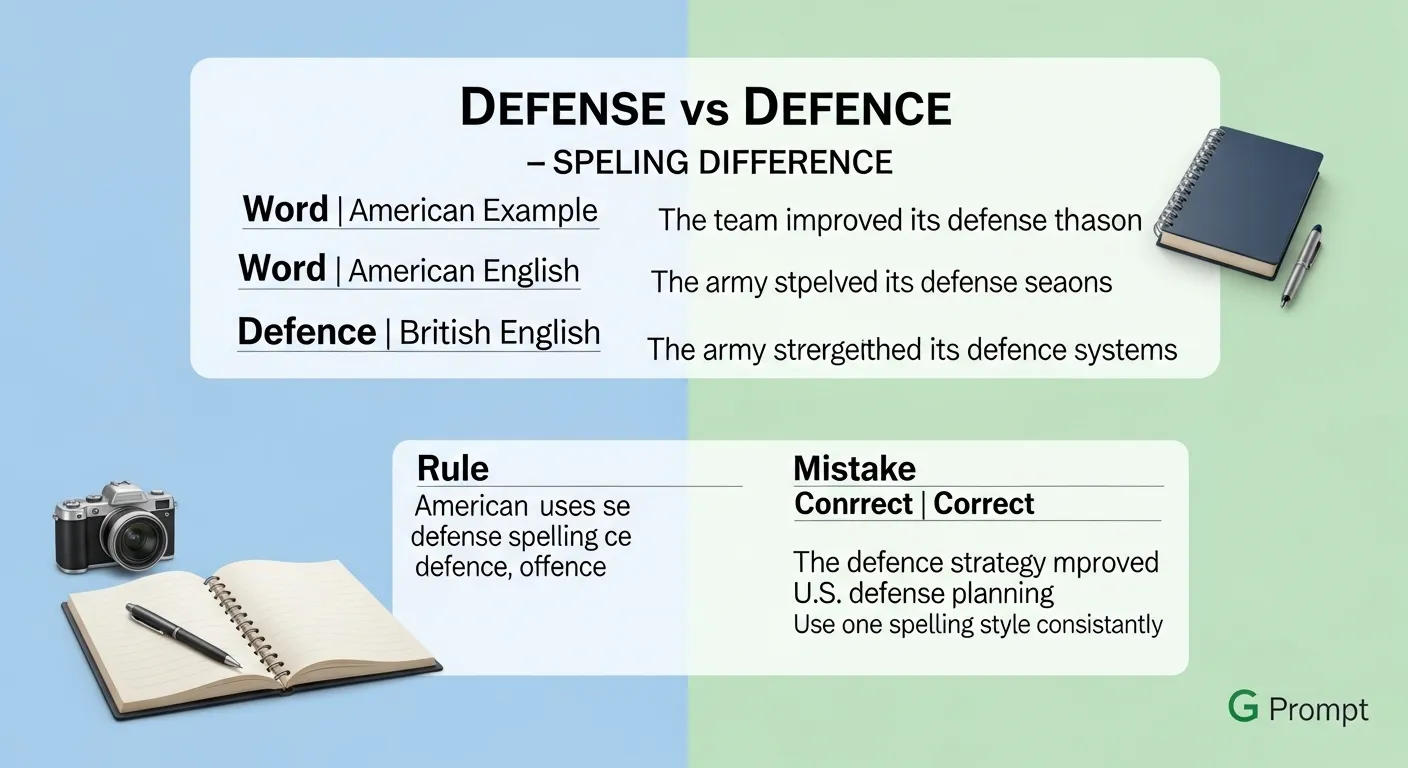
Defense and defence are both correct spellings of the same word, but the choice depends on region. Defense is used ...
Read more
Clearer or More Clear: Quick Rules for Correct Usage
Both “clearer” and “more clear” are correct, but “clearer” is usually preferred in modern English because it sounds more natural ...
Read more
That or Which: The Complete Guide to Using Them Correctly in English Writing
“That” is used for essential information, and “which” is used for extra information that can be removed without changing the ...
Read more
Used To or Use To: Meaning and Everyday Examples📚
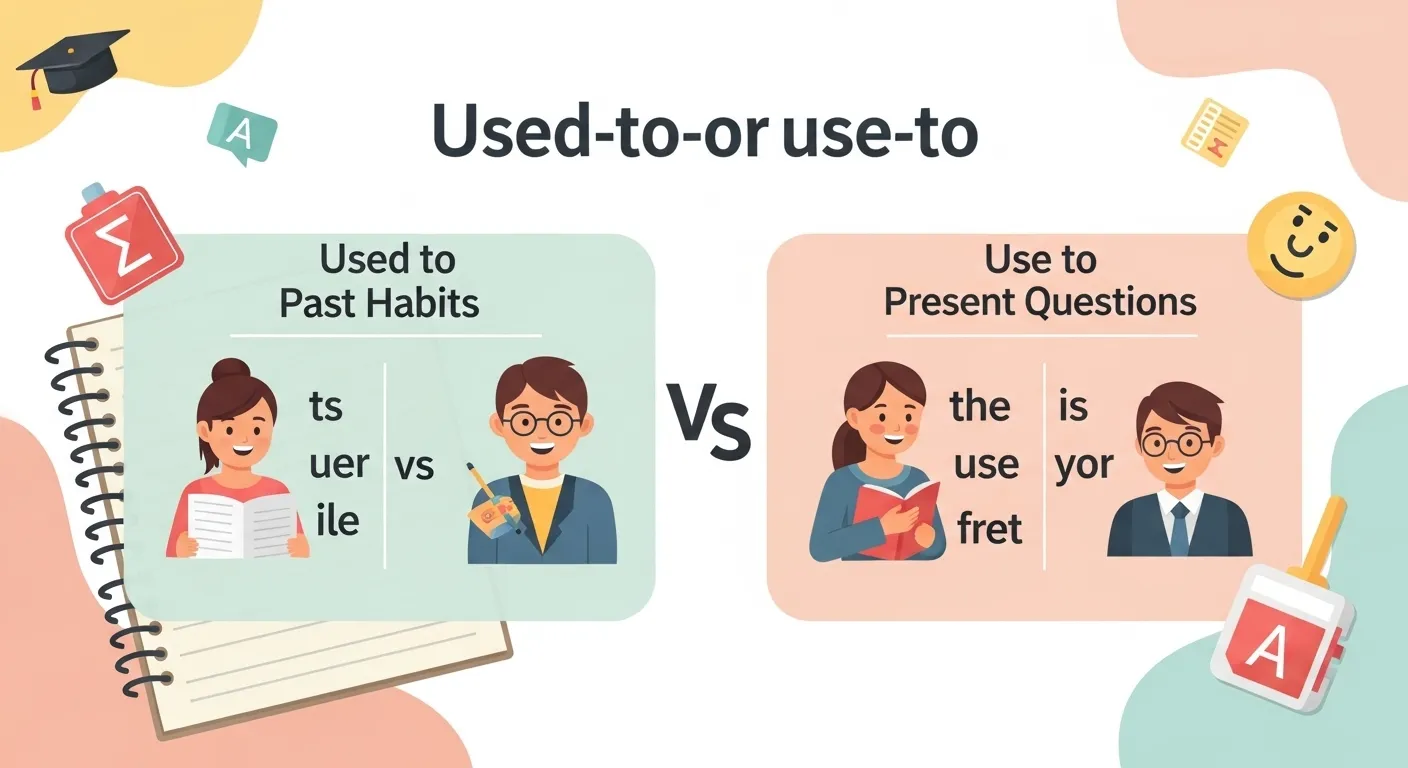
“Used to” is correct for past habits and states, while “use to” appears mainly after “did” in negative or question ...
Read more
Something to That Effect or Affect: Correct Usage Explained Simply
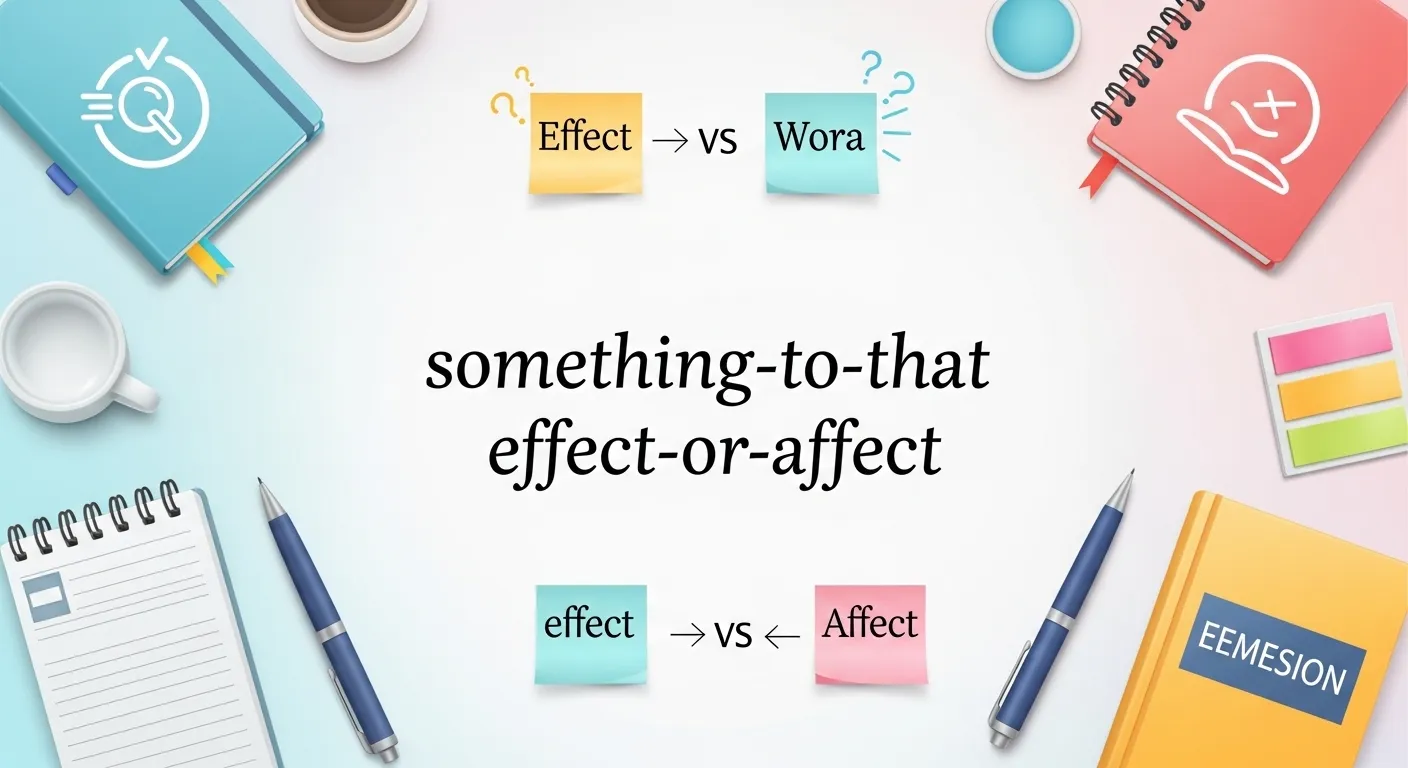
The correct phrase is “something to that effect,” not “something to that affect.” Many people feel confused when writing this ...
Read more
Losing or Loosing: Which One Is Correct?📚
The correct spelling in most situations is “losing,” not “loosing.” Many people get confused because the words sound similar, but ...
Read more
A Unique vs An Unique ✍️: Grammar Rule Explained Simply
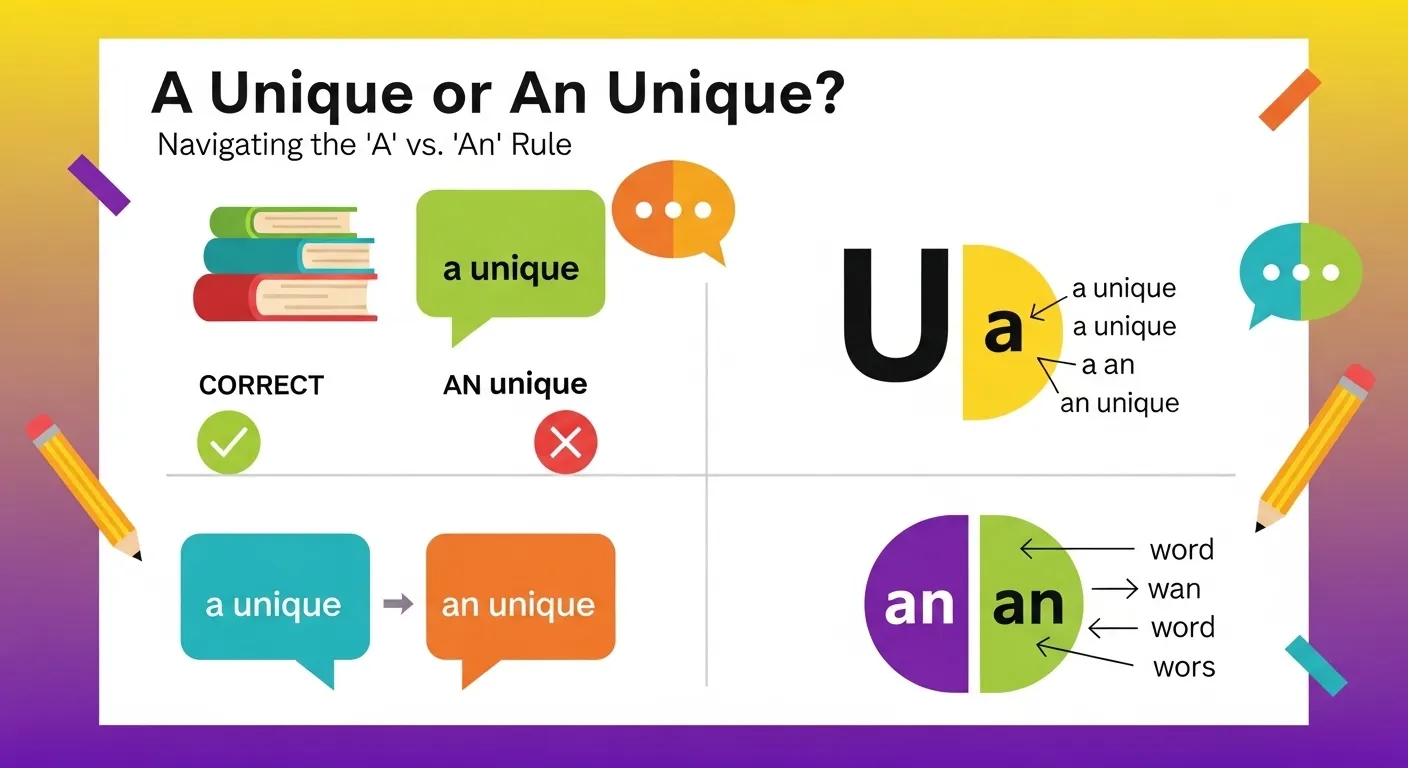
“A unique” is correct, not “an unique,” because the word unique starts with a consonant sound (you nique), not a ...
Read more
When to Use Other Than and Other Then 📚
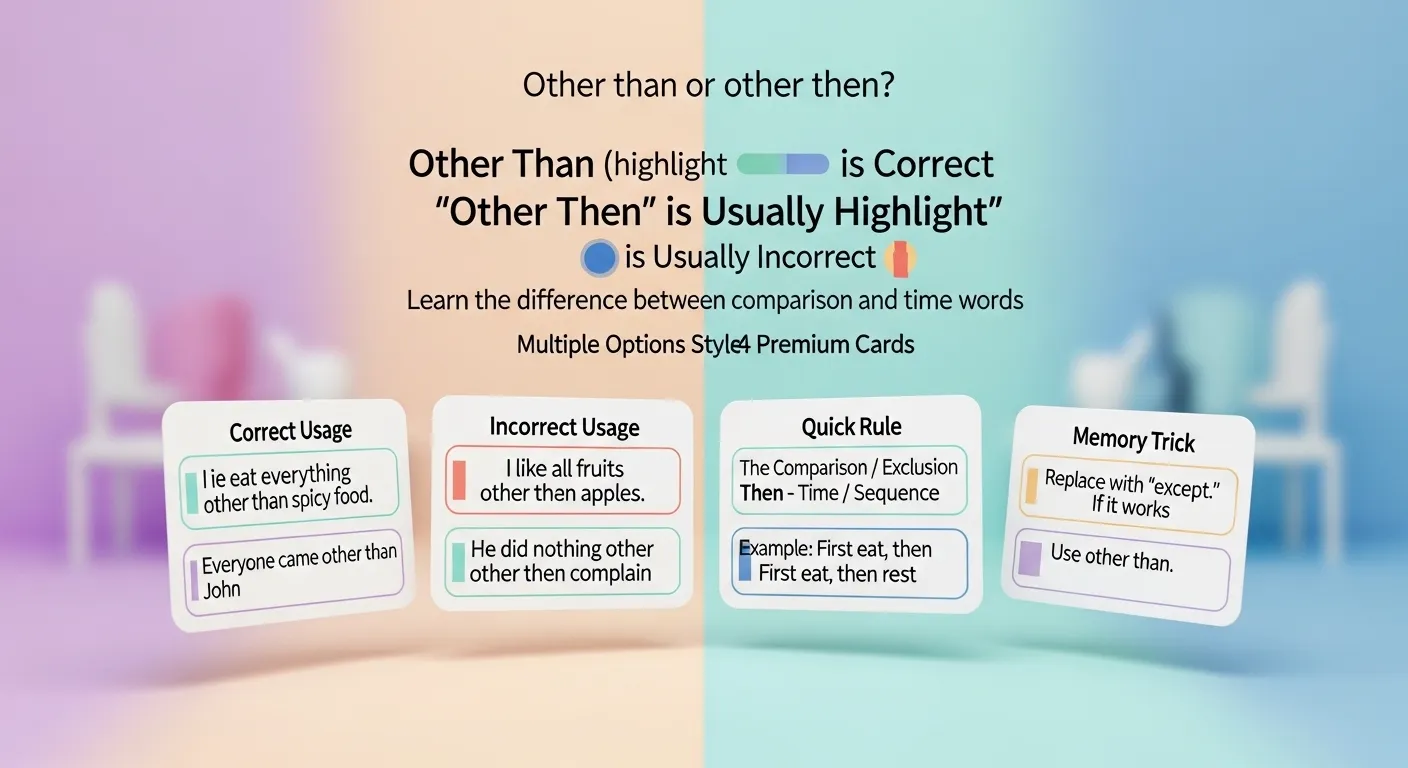
The correct phrase is “other than,” while “other then” is usually a mistake. Many writers feel confused when choosing between ...
Read more