To Many or Too Many: When Should You Use Each?
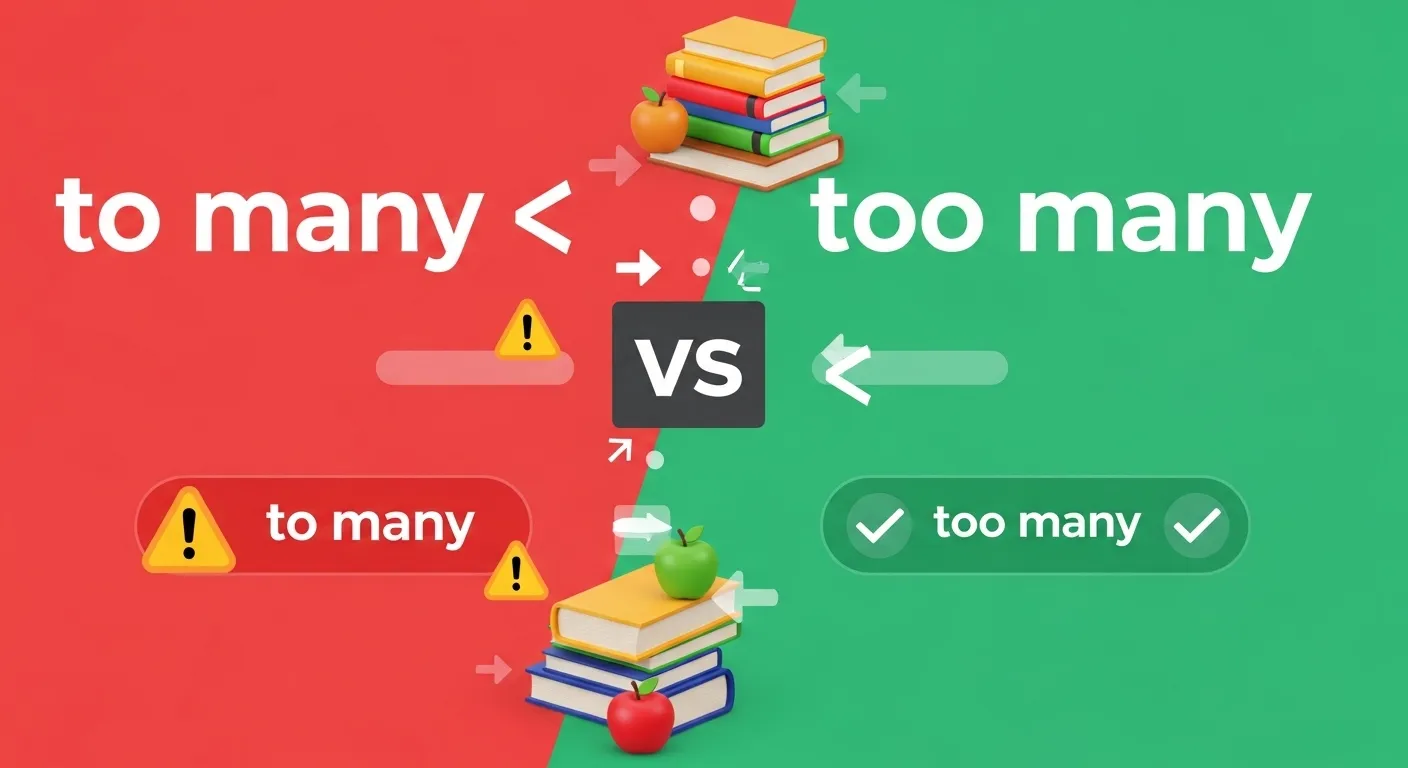
“Too many” is correct when you mean an excessive number, while “to many” is usually part of a phrase and ...
Read more
Their vs There vs They’re: What Is the Difference?

Their shows possession, there refers to a place or situation, and they’re is a short form of “they are.” Many ...
Read more
Family’s or Families: What’s the Difference 👨👩👧👦
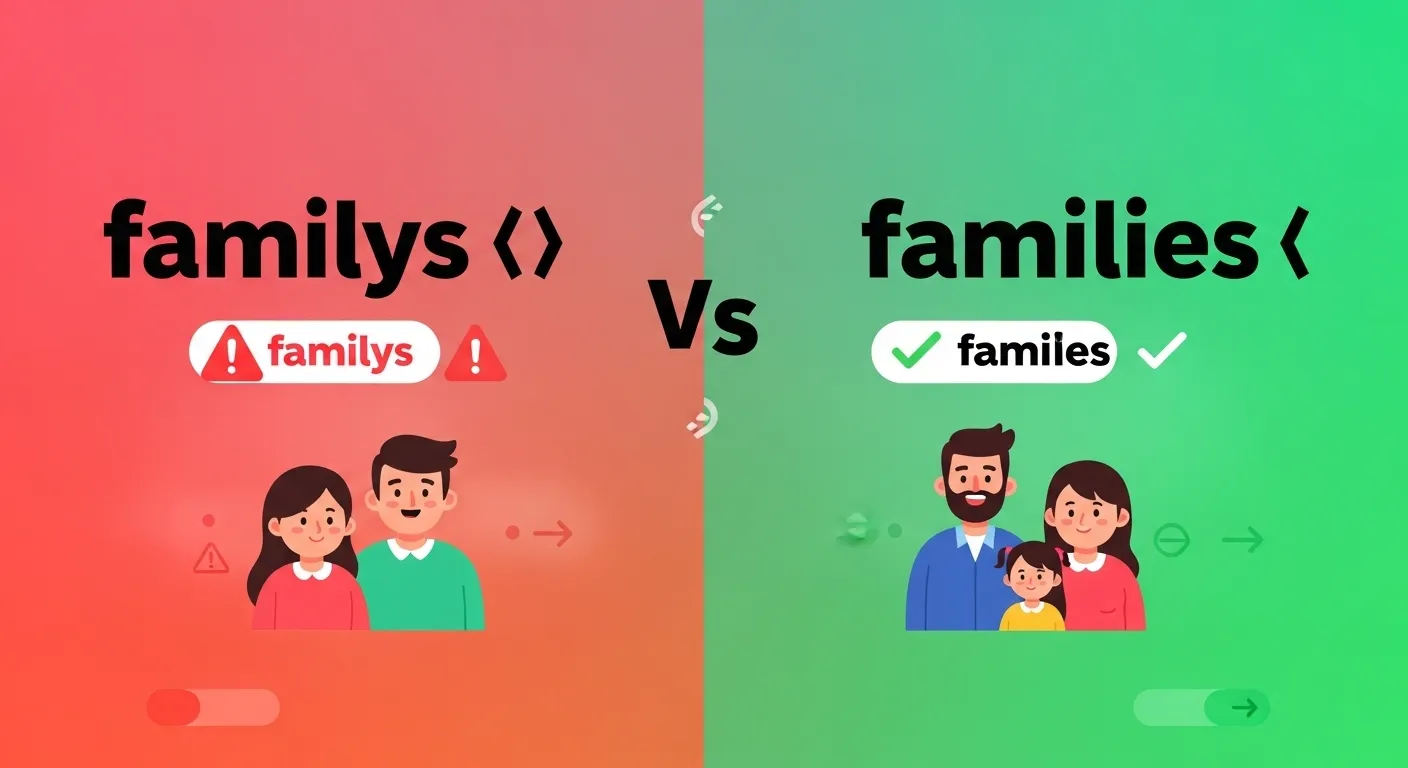
“Family’s” shows possession, while “families” is the plural form of family. Many writers confuse these two words because they look ...
Read more
Affect vs Effect: What Is the Difference?

Affect is usually a verb meaning to influence something, while effect is usually a noun meaning the result of that ...
Read more
Is vs Are: Understanding Singular and Plural Verbs ✍️

“Is” is used with singular subjects, and “are” is used with plural subjects. Many learners search this topic because small ...
Read more
🪝 By Hook or by Crook : Meaning, Origin, and Usage Guide

By hook or by crook means you will achieve something using any possible method. Many people search for “by hook ...
Read more
Free Rein or Free Reign in Everyday Writing and Speech
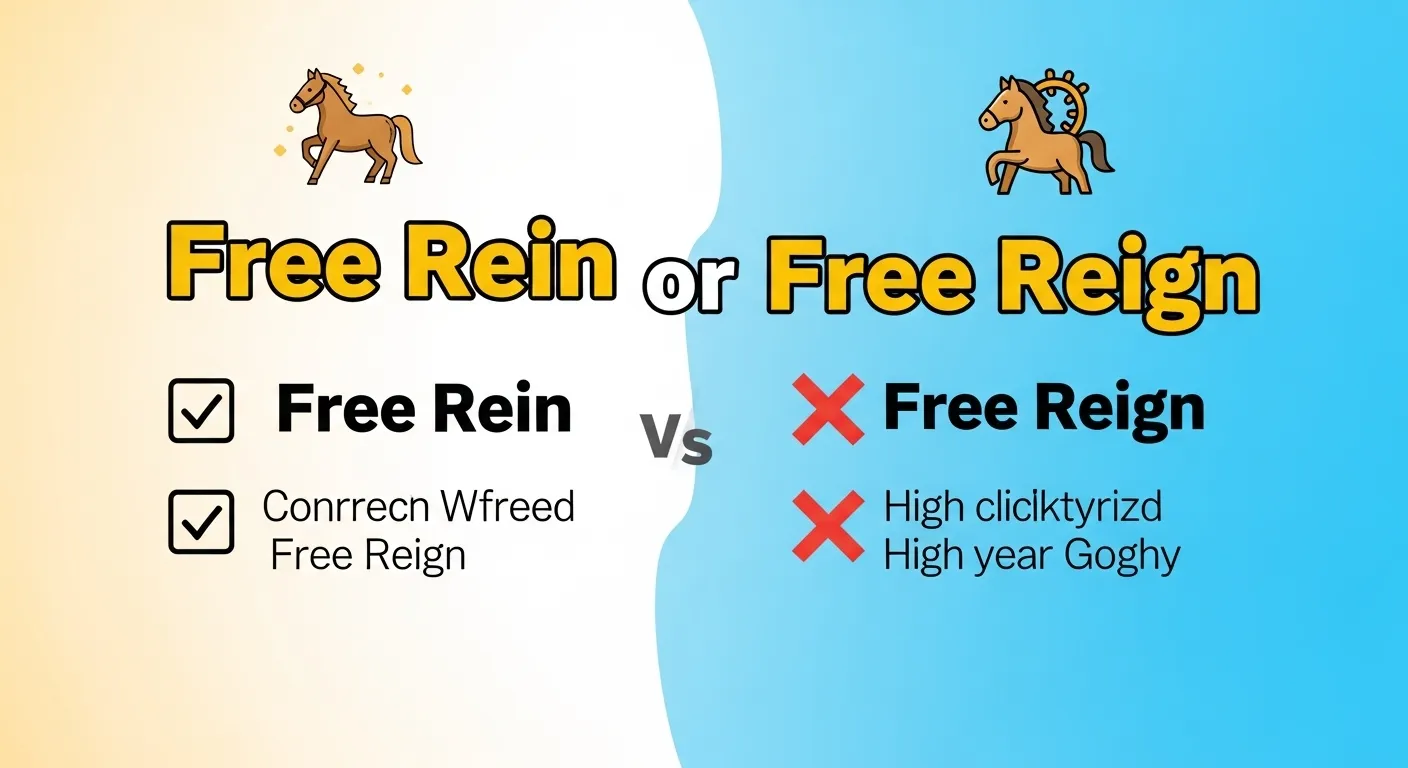
The correct phrase is “free rein,” not “free reign,” when you mean giving someone full freedom or control. Many people ...
Read more
All of a Sudden or All of the Sudden: Which One Is Correct?🌟
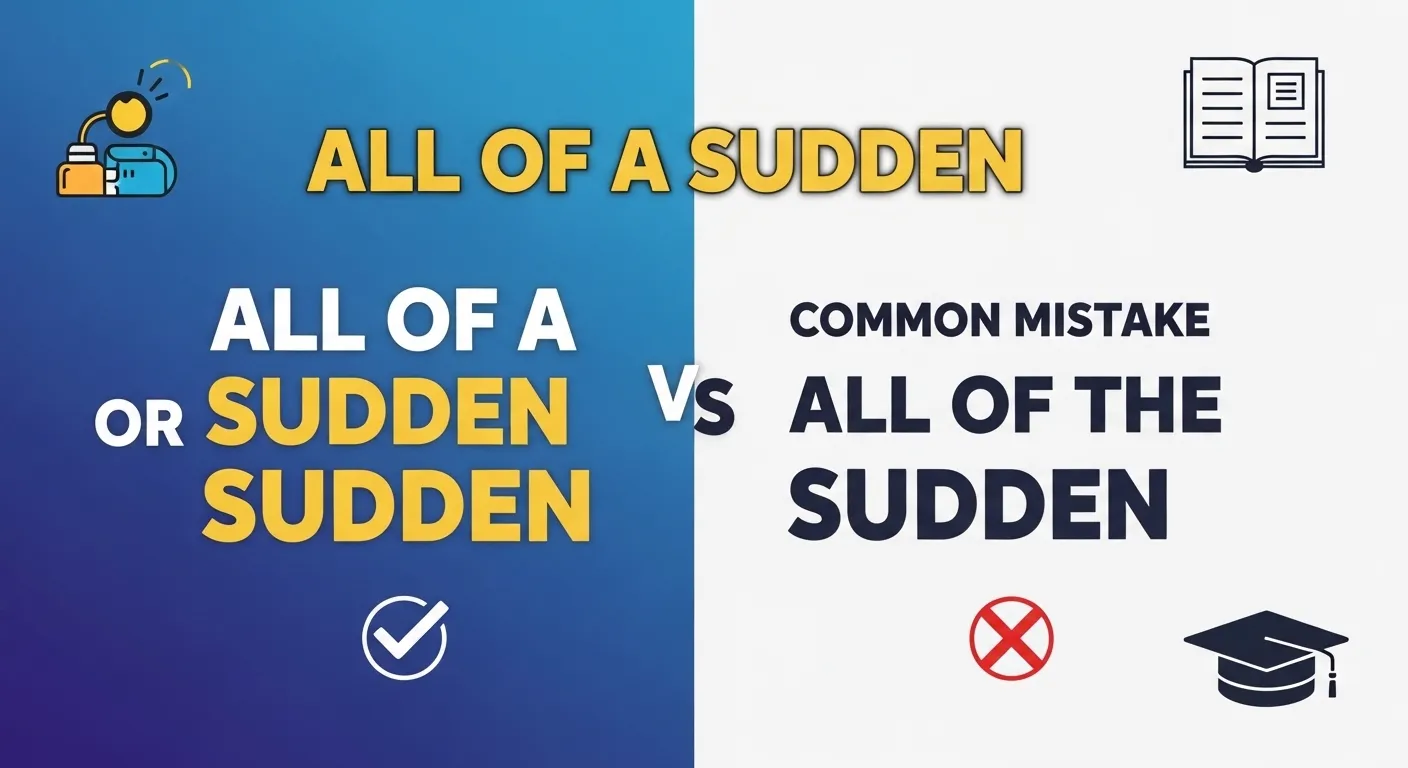
All of a sudden is the correct phrase in English. Many people mistakenly say all of the sudden, but this ...
Read more
Formal vs Informal Usage of Themself and Themselves 🎯
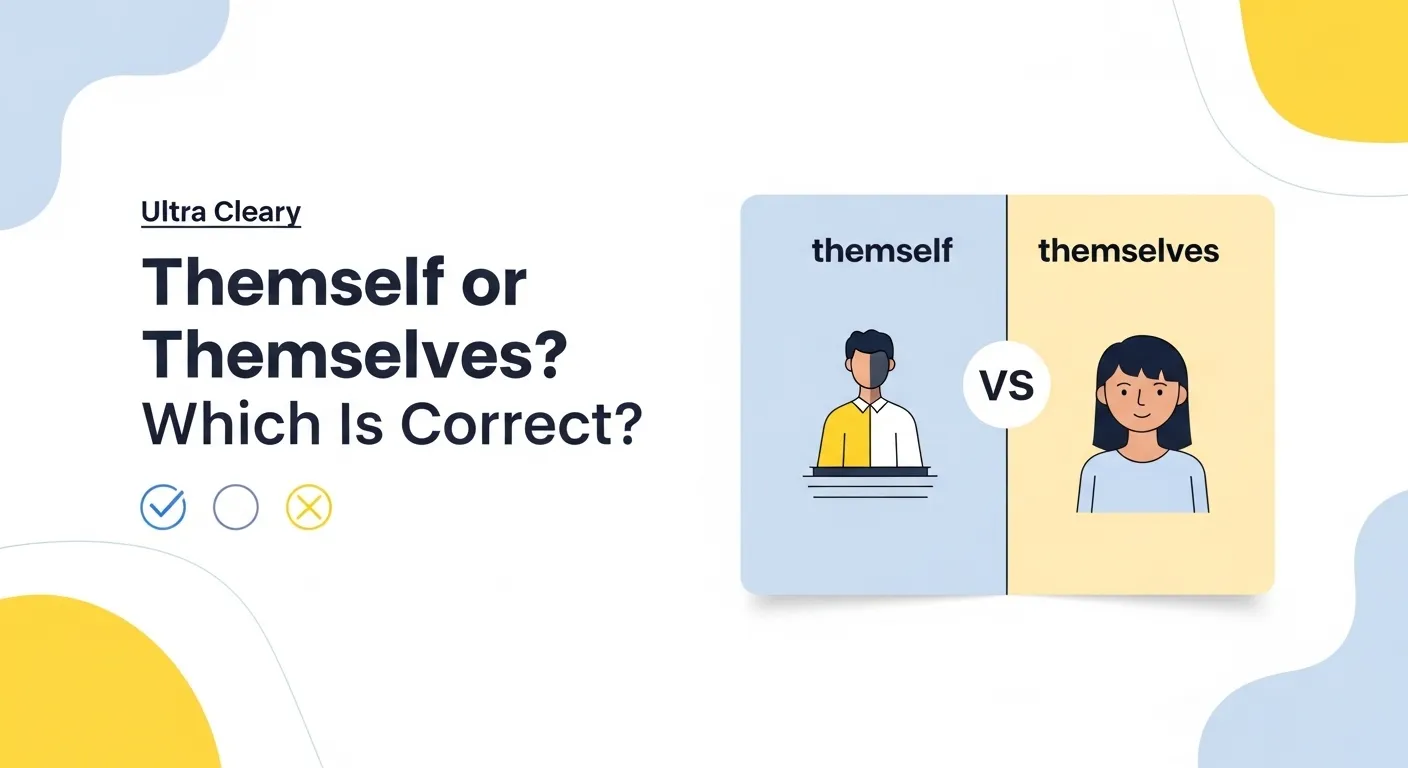
“Themselves” is the standard plural reflexive pronoun, while “themself” is a newer singular form used mainly with singular “they.” Many ...
Read more