Every piece of furniture placed within a commercial space tells a story about the designer’s judgment, the client’s brand, and the experience offered to visitors and employees alike. Among these selections, office lounge chairs carry outsized influence—they occupy prominent positions in reception areas, collaborative zones, and executive lounges where first impressions are formed and comfort expectations run high. For interior designers managing professional projects, the challenge extends beyond choosing something visually appealing. It demands sourcing chairs that deliver on three fronts simultaneously: refined aesthetics that align with a design vision, construction durability that withstands commercial use, and genuine value that justifies the client’s investment.
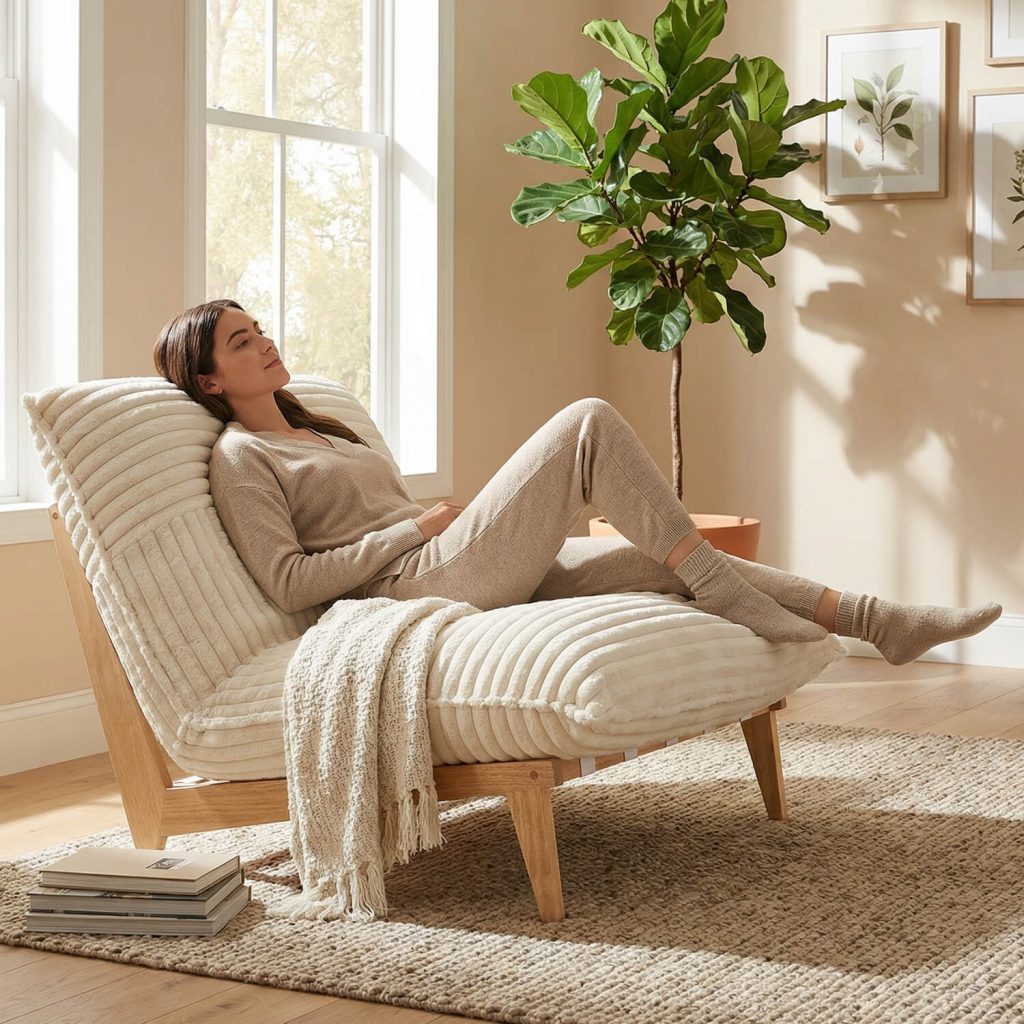
This guide serves as a comprehensive framework for evaluating and comparing office lounge chair quality specifically within the context of designer-led projects. We explore the material choices, construction methods, and finishing details that separate exceptional seating from forgettable furniture. Beyond the physical product, we address supplier reliability and vetting strategies that protect your professional reputation. Whether you’re specifying leather lounge chairs for a law firm’s waiting area or sourcing statement accent chairs for a creative agency, the principles here will sharpen your selection process and strengthen every project outcome.
Why Chair Quality is Non-Negotiable for Interior Designers
A designer’s reputation is built one project at a time, and furniture selections serve as tangible evidence of professional competence long after the final walkthrough. When a client sinks into a lounge chair that creaks, sags, or shows premature wear within months, that failure reflects directly on the specifier—not the manufacturer hidden behind the scenes. The resulting callbacks, replacements, and difficult conversations erode trust far more quickly than any stunning portfolio image can rebuild it.
Quality in office lounge chairs translates directly to longevity under real-world conditions. Commercial environments subject furniture to repeated daily use by individuals of varying sizes, often without the care a homeowner might exercise. A chair engineered for this reality maintains its silhouette, support, and surface integrity across years rather than seasons. This durability eliminates the cycle of early replacement that frustrates clients and damages professional relationships.
Beyond reliability, designers face a parallel demand: access to pieces that elevate a space from functional to memorable. Statement-making accent chairs with distinctive forms, unexpected material combinations, or artisan-level finishing details create the visual anchors that define a room’s character. The ideal sourcing strategy satisfies both needs simultaneously—delivering premium construction standards within designs that carry genuine creative distinction. Finding suppliers who consistently meet this dual requirement becomes one of the most valuable assets in a designer’s professional toolkit.
Deconstructing Quality: Key Factors in Office Lounge Chairs
Understanding what separates a well-built lounge chair from a mediocre one requires looking past surface aesthetics and examining the engineering beneath. Three interconnected systems determine whether a chair will perform gracefully under commercial demands: its structural frame, its cushioning architecture, and its upholstery execution. Each component contributes independently to the overall experience, yet they must work in concert to deliver lasting satisfaction. When evaluating chairs for designer projects, applying a systematic framework to these elements removes subjectivity from the comparison process and provides defensible reasoning for specification decisions.
Frame Construction: The Foundation of Durability
The frame determines a chair’s lifespan more than any other single factor. Kiln-dried hardwood—particularly maple, birch, or beech—remains the gold standard for lounge seating because the moisture removal process prevents warping and cracking over time. Engineered wood composites offer cost advantages but sacrifice longevity under repeated stress loading, making them better suited to residential applications than high-traffic commercial settings. Metal frames in steel or aluminum provide excellent strength-to-weight ratios and work particularly well for contemporary designs where slender profiles are desired. The real quality differentiator, however, lies in joinery. Mortise-and-tenon joints and corner blocks secured with both glue and fasteners indicate a manufacturer committed to structural permanence. Stapled or solely glued connections signal cost-cutting that will manifest as wobbling and joint separation within one to two years of commercial use.
Cushioning and Comfort: Engineering Premium Relaxation
Foam density serves as the primary predictor of long-term comfort retention. High-resilience foam rated at 1.8 pounds per cubic foot or above maintains its shape and support characteristics through tens of thousands of compression cycles, while lower-density alternatives flatten noticeably within months. For executive lounges and reading areas where occupants remain seated for extended periods, a down-wrapped foam core adds a layer of immediate softness without sacrificing the underlying support structure. Equally important is the suspension system supporting the cushion—sinuous springs or eight-way hand-tied coils distribute weight evenly and prevent the bottoming-out sensation that plagues chairs built on simple webbing platforms. Matching cushion engineering to intended use matters enormously: a reception chair occupied for brief waits can prioritize firmer support, while a library reading chair benefits from deeper seats and progressive cushioning that rewards longer occupation.
Upholstery and Finish: Aesthetic and Tactile Appeal
Surface materials create the immediate sensory impression and bear the brunt of daily wear. Top-grain leather lounge chairs represent the pinnacle of commercial upholstery—the natural hide develops character over time rather than deteriorating, and its inherent strength resists puncturing and tearing far better than bonded or split alternatives. For projects requiring fabric solutions, performance textiles engineered with high Martindale abrasion ratings and stain-resistant treatments deliver comparable durability with broader color and texture options. Beyond material selection, execution quality reveals itself in the details: double-stitching along stress seams prevents thread failure, precise pattern matching across panels demonstrates manufacturing discipline, and properly tensioned upholstery without puckering or bridging indicates skilled hand finishing. These details collectively communicate the quality narrative that clients perceive, even if they cannot articulate exactly what makes one chair feel more refined than another.
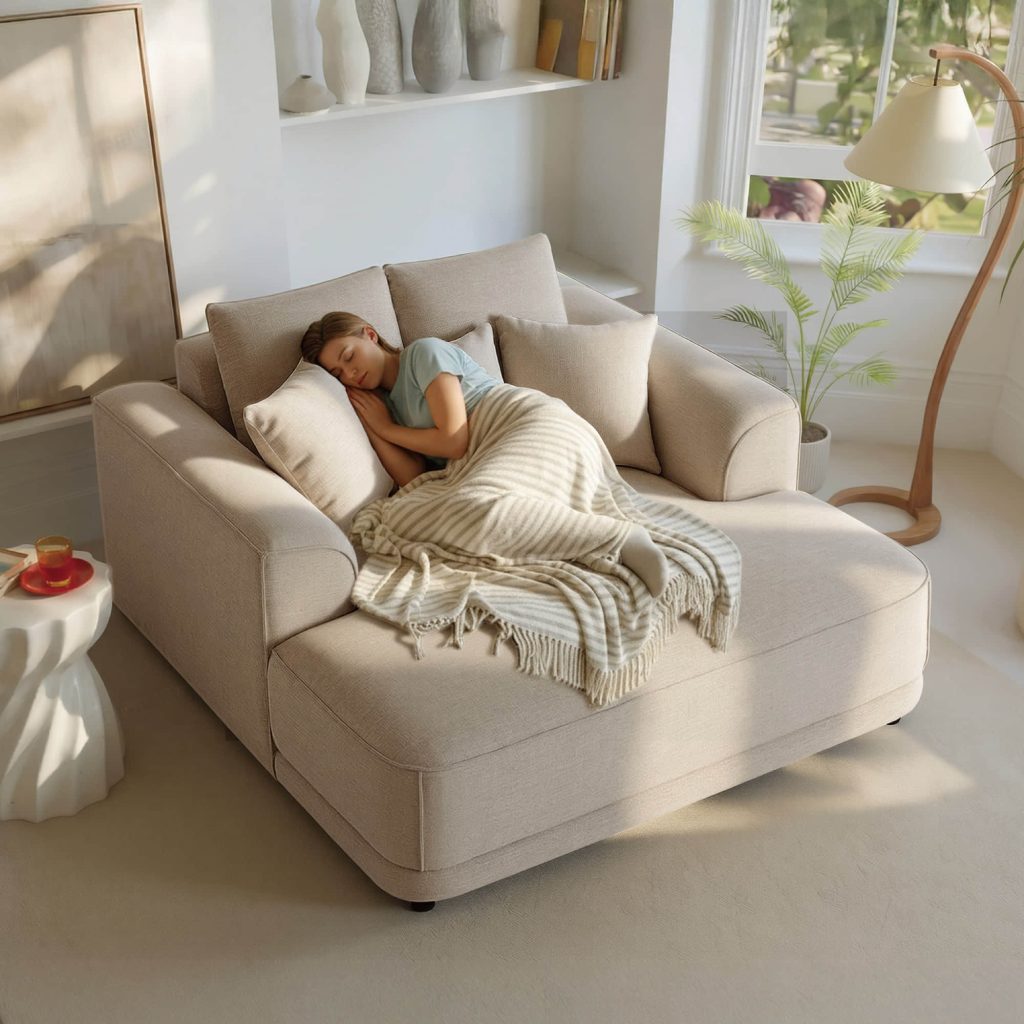
Comparing Chair Types for Different Design Applications
The quality framework gains practical value when applied against specific chair categories that designers regularly specify. Each application demands a different balance of the core quality elements, and understanding these distinctions prevents the common mistake of applying a one-size-fits-all evaluation to fundamentally different seating purposes. A chair destined for a gallery-like corporate lobby operates under entirely different success criteria than one placed in a quiet wellness room or executive library. Matching construction priorities to functional context ensures every specification decision serves both the design narrative and the end user’s actual experience.
The Statement Piece: Selecting High-Impact Accent Chairs
Accent chairs function as sculptural elements first and seating second, yet this hierarchy never excuses compromised construction. The most successful statement pieces achieve their visual drama through material innovation and form rather than through fragile ornamentation that degrades under use. When evaluating bold designs, examine how the manufacturer resolved the inherent tension between an unconventional silhouette and structural soundness—cantilevered forms require reinforced internal steel, while organic curves demand steam-bent wood or precision-welded metal that holds geometry permanently. Top-grain leather stretched over an architecturally daring frame creates immediate visual authority while aging gracefully, and performance velvets in saturated tones deliver similar impact with tactile warmth. The critical assessment question remains consistent: does this chair’s construction support its ambition? A striking form that loosens or distorts within a year becomes a liability rather than a centerpiece, so always verify that engineering matches artistic intent before committing a prominent position in your layout.
Dedicated Comfort Zones: Specifying Premium Reading Chairs
Reading chairs serve occupants who settle in for thirty minutes or longer, fundamentally shifting the quality priorities toward sustained ergonomic performance. Seat depth becomes critical here—a minimum of twenty inches allows proper thigh support without creating pressure behind the knees, while a slightly reclined back angle between 100 and 110 degrees reduces spinal compression during extended sitting. The cushioning system must employ progressive resistance, where initial softness gives way to firm underlying support that prevents pelvic tilt and lower back fatigue. High-resilience foam paired with pocket springs delivers this layered response effectively. Armrests positioned at natural elbow height reduce shoulder tension, and their padding should match the chair’s overall density philosophy. Material selection for reading chairs favors breathability—natural leather or open-weave performance fabrics prevent heat buildup that causes discomfort over time. When specifying these pieces for corporate libraries or wellness lounges, prioritize manufacturers who provide detailed ergonomic data alongside aesthetic imagery, as this transparency signals genuine investment in the seated experience rather than surface-level styling alone.
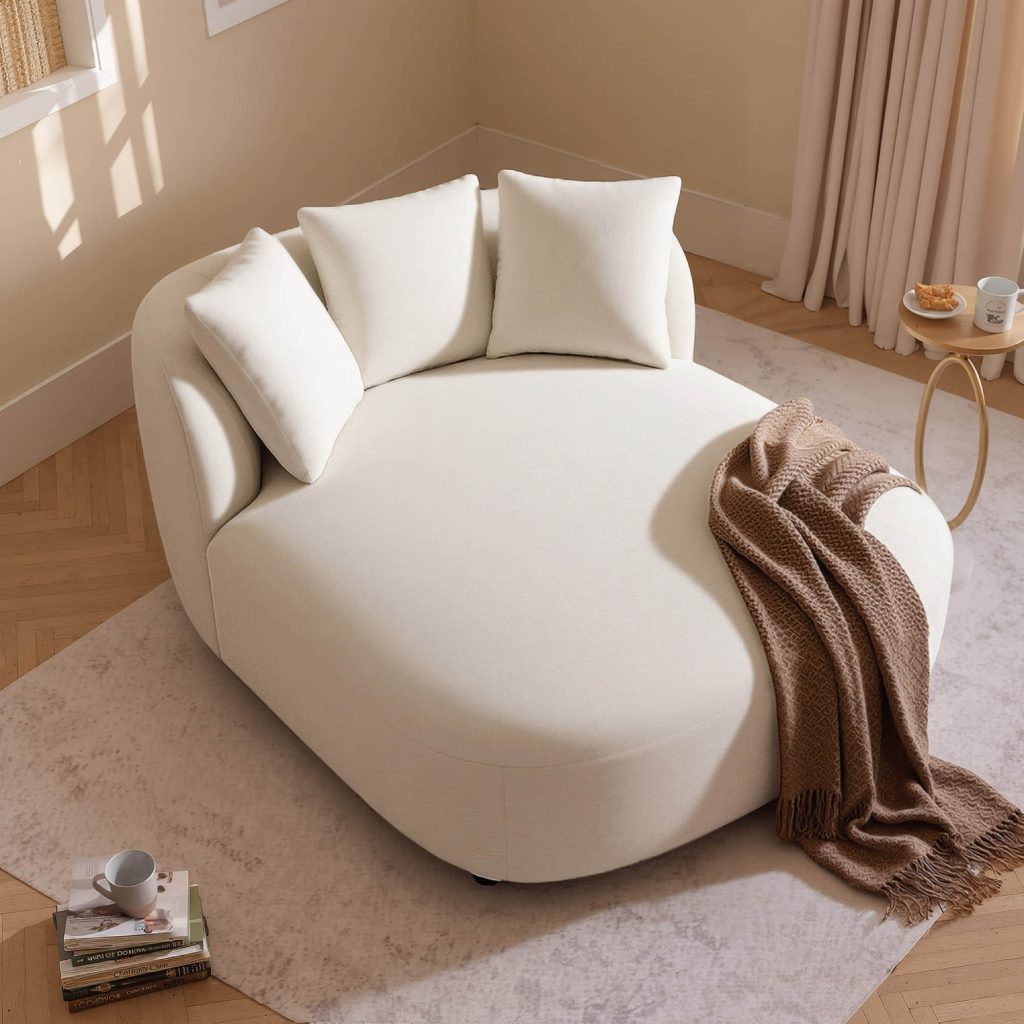
Sourcing Strategies: Finding Reliable Suppliers of Quality Furniture
Identifying chairs that meet rigorous quality standards represents only half the challenge—establishing dependable supply relationships that deliver consistent results across multiple projects completes the equation. The furniture industry includes manufacturers ranging from vertically integrated factories with full quality control to assemblers sourcing components from multiple vendors with minimal oversight. For designers whose reputations depend on every delivered piece matching the approved sample, distinguishing between these supplier types and developing systematic vetting protocols becomes essential professional practice.
Vetting Manufacturers and Wholesalers
Begin every new supplier relationship by requesting detailed material specifications rather than accepting marketing language at face value. Ask for foam density ratings, frame material certifications, and upholstery performance data including abrasion counts and colorfastness ratings. Request COM and COL programs, as suppliers offering custom material options demonstrate manufacturing flexibility and confidence in their construction methods independent of any single fabric or hide. Frame samples or cross-section cutaways reveal joinery methods and internal reinforcement that photographs cannot communicate—reputable manufacturers provide these willingly because transparency serves their interests. Contact two or three design firms listed as existing clients and ask specifically about order accuracy, delivery timelines, and how the supplier handled any quality issues that arose. Finally, scrutinize warranty terms with attention to what’s actually covered: structural frame warranties of ten years or more indicate genuine confidence, while limited cosmetic-only coverage for twelve months suggests a manufacturer anticipating problems rather than preventing them.
Identifying Red Flags and Green Flags
Warning signs during supplier evaluation include vague or evasive responses to material questions, unwillingness to provide physical samples before large orders, absence of written warranties, and pricing dramatically below market norms for comparable specifications—extreme discounts typically reflect hidden compromises in materials or labor. Conversely, strong indicators of a trustworthy partner include transparent sourcing documentation tracing materials to origin, willingness to accommodate finish customization and modified dimensions, maintained showroom or sample library access for designers, and proactive communication about lead times or production challenges. Suppliers like Chitaliving, who invest in educating their designer clients about construction methods—through detailed specification guides and transparent material documentation—demonstrate a partnership orientation rather than a transactional one, and these relationships consistently yield better project outcomes over time.
The Designer’s Selection Checklist: A Practical Guide
Translating quality knowledge into consistent project decisions requires a repeatable process that eliminates guesswork and ensures nothing critical gets overlooked under deadline pressure. The following framework distills the evaluation principles discussed throughout this guide into a sequential workflow applicable to any office lounge chair specification, regardless of style or budget tier.
Step-by-Step Evaluation Process
Start by defining the project parameters with precision: identify the specific space dimensions, anticipated user demographics, average seating duration, and the stylistic direction established in your design concept. These constraints immediately narrow the field and prevent wasted time evaluating irrelevant options. Next, apply the quality framework systematically to every candidate—inspect frame material and joinery methods, verify foam density and suspension type, and assess upholstery execution including seam construction and material grade. With viable options identified, shortlist suppliers by running them through your vetting criteria: request technical specifications, check designer references, and review structural warranty commitments. Before finalizing any specification, insist on receiving physical samples or visiting a showroom to confirm that tactile quality, color accuracy, and construction details match what was promised in catalogs or digital presentations. Complete your decision by evaluating total value holistically—factoring in projected lifespan, warranty coverage, supplier reliability, and design contribution alongside the unit cost. This disciplined sequence protects both your creative vision and your client’s investment on every project.
Building Lasting Success Through Quality-Driven Specification
The ability to critically compare office lounge chair quality represents far more than product knowledge—it functions as a core professional competency that distinguishes exceptional designers from adequate ones. Every specification decision carries consequences that unfold over years of daily use, and the framework outlined here equips you to make those decisions with confidence grounded in technical understanding rather than hope or habit.
The best office lounge chairs succeed because they refuse to compromise across three dimensions simultaneously: enduring construction built from premium materials and expert joinery, superior comfort engineered through thoughtful cushioning and ergonomic geometry, and striking design that transforms functional seating into spatial storytelling. When these elements converge in a single piece, the result serves clients, occupants, and your portfolio equally well.
Investing time in rigorous evaluation and supplier vetting pays compounding returns. Each project completed with furniture that performs flawlessly strengthens client relationships, generates referrals, and builds a curated network of manufacturing partners you can rely upon repeatedly. This accumulated infrastructure—knowledge, relationships, and proven sources—becomes the foundation that allows your future projects to begin from a position of strength rather than uncertainty.