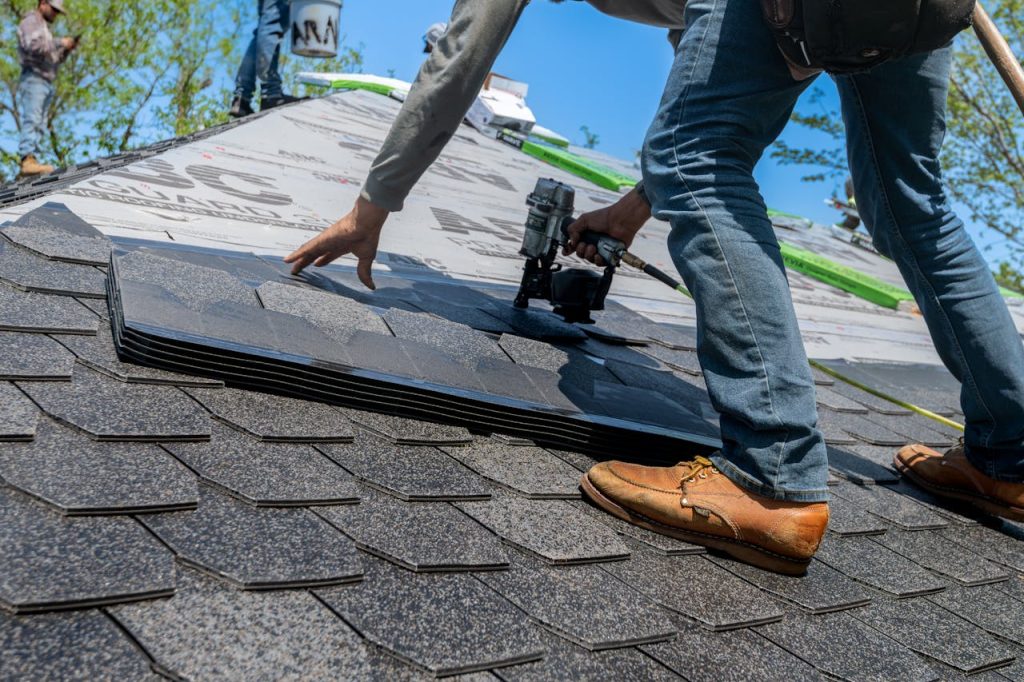
Choosing the right roofing professional isn’t just another item on your home improvement checklist, it’s a decision that’ll affect your home’s protection and value for years to come. Your roof stands between everything you cherish and whatever weather throws your way, making this one of those investments you simply can’t afford to get wrong. With so many contractors out there claiming they’re the best, how do you separate the true professionals from those who talk a good game but don’t deliver? These five questions cut through marketing fluff and help you identify contractors who’ll actually stand behind their work when it matters most.
What Licenses and Insurance Do You Carry?
About licenses, they’re not just bureaucratic paperwork. When a roofing professional holds proper state and local licenses, they’ve proven they meet specific industry standards and know what they’re doing up on your roof. Don’t just take their word for it, though. Ask to see current copies of their credentials, and take five minutes to verify that information with your state’s licensing board.
Can You Provide Local References and Examples of Recent Work?
Past performance isn’t everything, but it’s pretty close when you’re evaluating someone to work on your roof. Ask for at least five recent customers from your area who had projects similar to yours, whether that’s a full replacement, storm damage repair, or something else entirely. When you call these references, don’t just ask if they liked the contractor. Dig deeper: Would they hire them again? Did the crew show up when promised? How thorough was the cleanup? Were there any surprises that weren’t handled well?
What Warranties Cover Materials and Workmanship?
Warranties might sound boring until you need one, then they become the most important documents in your homeowner files. Manufacturer warranties cover defects in the roofing materials themselves, typically ranging anywhere from twenty years to lifetime protection depending on what you’re installing. But here’s what catches many homeowners off guard: those material warranties don’t cover installation mistakes, which actually cause most premature roof failures. That’s why a solid workmanship warranty from your contractor matters just as much, if not more.
The best roofing professionals back up their installations with workmanship warranties covering two to ten years or longer. Read the fine print carefully, though. What voids the warranty? Some become invalid if you hire a different contractor down the road for repairs, while others require regular maintenance to stay active. When working with a professional Austin roofing company, for example, you’ll often find they can offer enhanced manufacturer warranties because they’ve completed specialized certification programs. These upgraded warranties typically provide better coverage and extend protection periods well beyond standard offerings.
What Is Your Project Timeline and Payment Schedule?
Nothing strains a contractor relationship faster than mismatched expectations about timing and money. Before you sign anything, get a detailed timeline showing when work starts, when it should wrap up, and how things like bad weather or material delays might push dates back. Professional contractors give you realistic timeframes based on your roof’s actual size and complexity, not overly optimistic promises designed to win your business. They’ll also explain how they keep you updated on progress and handle surprises that crop up once work begins.
How Do You Handle Unexpected Issues and Change Orders?
Even the most carefully planned roofing projects sometimes throw curveballs. Hidden water damage lurking beneath old shingles, rotted decking that needs replacing, structural problems invisible until tear, off, these discoveries happen more often than you’d think. The difference between good contractors and great ones shows up in how they handle these moments. Talk through their process for unexpected issues before work starts, so everyone knows what to expect if problems surface.
Professional contractors conduct thorough inspections once they’ve removed your old roofing materials, and they’ll call you over immediately if they spot anything concerning. They won’t just make executive decisions that affect your budget, they’ll walk you through what they found, explain why it needs addressing, and provide clear pricing before proceeding. Every change order should be documented in writing with specific descriptions of additional work required, itemized costs, and how it impacts your timeline. Vague estimates like “probably a few hundred more” aren’t acceptable.
Conclusion
These five questions give you a framework for evaluating roofing professionals beyond their sales pitch and website promises. The time you spend vetting contractors now saves you from headaches, unexpected costs, and subpar work that’ll haunt you for years. Remember, the cheapest bid rarely delivers the best value when you’re talking about something as crucial as your roof’s long, term performance and durability. By focusing on proper licensing, comprehensive insurance, solid warranties, fair payment terms, and clear communication, you’re setting yourself up to partner with a contractor who’ll deliver craftsmanship that truly protects your home.