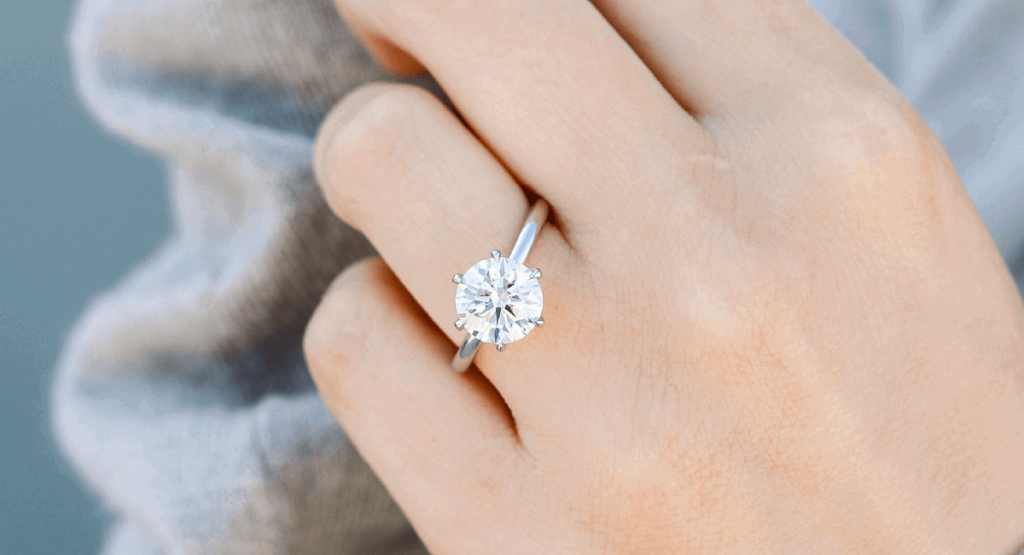
When a diamond is brought in for appraisal, carat weight is usually one of the first details to be checked. It is measurable, objective, and easy to record. For many owners, it is also the number they remember most clearly. A ring may be described as “one carat,” “half a carat,” or “two carats,” even when the owner does not know the color grade, clarity grade, or cut details.
Carat matters because it helps place the diamond into a value category. Larger diamonds are generally rarer, and rarity has a direct relationship with price. But appraisal and resale value are not decided by weight alone. A diamond’s carat weight opens the conversation, while the full evaluation depends on quality, documentation, condition, market demand, and how the stone compares with other diamonds available at the same time.
For anyone thinking about selling a diamond, understanding the role of carat can make the appraisal process feel less confusing. It helps explain why two stones with similar weight may receive different valuations, and why a diamond’s resale value may not match the original retail price.
Carat Weight as the First Reference Point in Appraisal
Carat weight gives appraisers a clear place to begin. Before color, clarity, or cut can be fully considered, the diamond must be identified by weight. This measurement helps determine which market category the stone belongs to and what comparable diamonds may be used as references.
A one-carat diamond is not appraised in the same category as a half-carat diamond. A two-carat diamond belongs to a different level of rarity from a smaller stone. Because diamonds become less common as they increase in weight, carat often has a strong influence on the starting range of valuation.
However, carat is not the final answer. An appraiser will still examine the stone’s proportions, brilliance, color, inclusions, shape, and certificate details. A diamond with impressive weight may receive a lower valuation if its quality does not support that weight. In the same way, a slightly smaller diamond may be valued more favorably if it has better cut performance, cleaner appearance, or stronger documentation.
This is why carat should be seen as a reference point rather than a guarantee. It tells the appraiser how much diamond is present, but not how desirable that diamond is.
Why Resale Value Is Different from Retail Price
Many diamond owners are surprised when resale value differs from the original purchase price. This difference is not unusual. Retail price often includes more than the diamond itself. It may reflect jewelry design, brand positioning, store service, craftsmanship, setting materials, and retail margin. Resale appraisal usually focuses more directly on the diamond’s marketable qualities.
Carat weight remains important in resale because buyers and dealers use it to compare the stone with similar diamonds in the market. A certified one-carat diamond with attractive grades may be easier to evaluate than a diamond with uncertain details. Still, the offer will depend on what the market is willing to pay at that time, not only on the original receipt.
This is especially important for jewelry pieces that include both a center diamond and smaller surrounding stones. A ring may have a total carat weight that sounds impressive, but resale evaluation often places greater importance on the main diamond. A single well-graded center stone usually carries more weight in valuation than many small accent stones combined.
For sellers, understanding this distinction helps create more realistic expectations. The carat number matters, but resale value is shaped by the complete story of the diamond.
How Quality Grades Support or Limit Carat Value
Carat weight becomes more valuable when it is supported by strong quality grades. A large diamond with excellent cut, desirable color, clean clarity, and reliable certification will usually attract more confidence than a diamond of the same weight with weaker characteristics.
Cut quality affects how the diamond returns light. A poorly cut diamond may carry good weight but appear dull or heavy. Color affects how white or warm the stone looks, especially in larger diamonds where body color can be easier to notice. Clarity affects how clean the diamond appears to the eye, and inclusions in visible positions can influence both beauty and value.
Certification also plays an important role. A grading report from a respected laboratory gives buyers and appraisers a clearer basis for evaluation. Without reliable documentation, a buyer may need to be more cautious, especially if the stone’s qualities are difficult to confirm.
For readers who want to understand the connection between carat in diamond appraisal and resale value, it is helpful to think of carat as the weight foundation that must be supported by the rest of the diamond’s quality profile.
Market Demand and the Buyer’s Perspective
A diamond’s resale value is also influenced by demand. Some carat weights are more popular because they match what buyers commonly look for. One-carat diamonds, for example, often attract attention because the size is familiar and easy to understand. Larger stones may be rarer, but they also require a more specific buyer.
Shape and style can affect demand as well. Round brilliant diamonds are widely recognized and often easier to compare. Fancy shapes such as oval, pear, cushion, emerald, and marquise can be highly desirable, but their resale performance may depend on current trends and buyer preference. A diamond that is fashionable today may not always have the same demand in another period.
The condition of the jewelry also matters. A diamond set in a damaged or outdated ring may still hold value as a stone, but the setting itself may not add as much as the owner expects. In some cases, appraisal focuses more on the loose diamond’s characteristics than on the full jewelry piece.
From the buyer’s perspective, carat weight creates interest, but confidence comes from the full evaluation. Buyers want to know that the weight is supported by beauty, quality, and trust. This is why appraisal is both technical and market-aware.
Conclusion
Carat plays an important role in diamond appraisal and resale value because it gives the stone a measurable identity. It helps define the diamond’s category, influences comparison with similar stones, and affects the starting range of valuation. Larger diamonds are generally rarer, which is why carat weight remains one of the most recognized elements in diamond pricing.
But carat is only one part of the appraisal process. A diamond’s resale value depends on how its weight is supported by cut, color, clarity, certification, condition, and market demand. A higher carat number may create stronger initial interest, but it cannot replace the importance of quality and trust.
For sellers, understanding carat helps make the appraisal conversation more transparent. It explains why an evaluator looks beyond size and why two diamonds with similar weight can receive different offers. For buyers, it reinforces the importance of judging a diamond as a complete object rather than a number alone.
A diamond’s value is built from balance. Carat gives it presence, but the other qualities give that presence meaning. When weight, beauty, documentation, and market demand come together, the diamond becomes easier to understand, easier to evaluate, and more confidently positioned for resale.