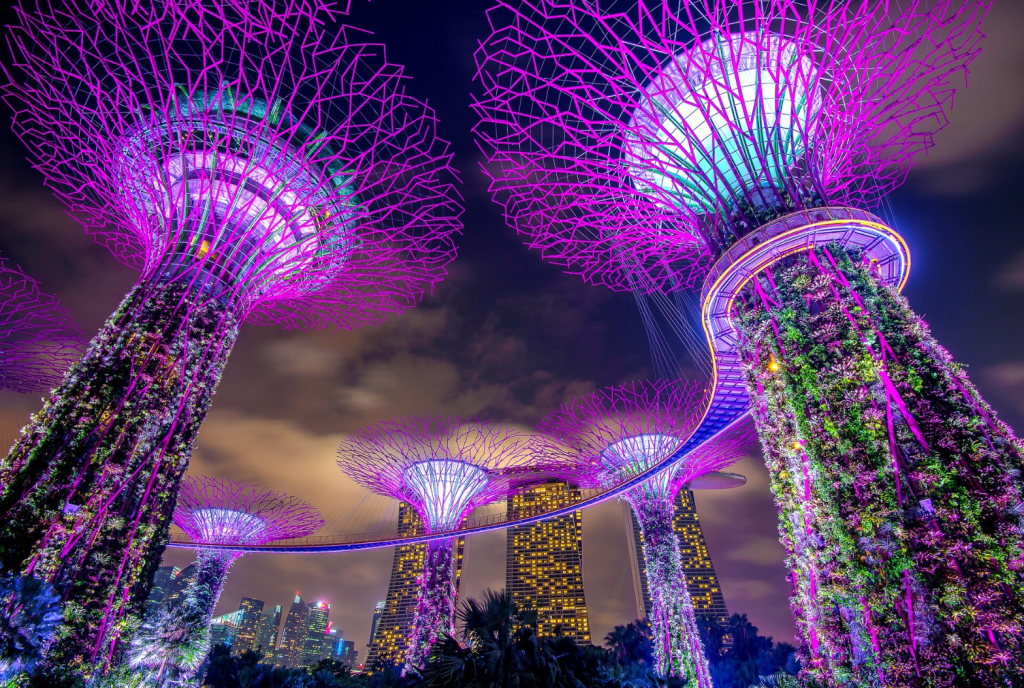
Singapore’s art scene reflects the character of a city that values culture, history, and modern expression in equal measure. Across its districts, art is present in galleries, public spaces, theatres, museums, and seasonal celebrations, giving residents and visitors many ways to engage with creative work. Many art events in Singapore further enrich this landscape by bringing together local and international artists in dynamic and accessible settings. The city’s cultural identity is shaped by its diverse communities, and this diversity is clearly visible in the range of artistic experiences available throughout the year. From heritage-inspired showcases to contemporary installations, Singapore presents art as a living part of daily life rather than something confined to formal institutions. This approach gives the city a strong cultural identity and presents a clear picture of how artistic practice continues to grow through public support, education, and international collaboration.
Major Exhibition Spaces and Galleries
A significant part of Singapore’s artistic presence can be seen in its well-established galleries and museum spaces. Venues such as the National Gallery Singapore, the ArtScience Museum, and The Arts House regularly host exhibitions that cover painting, sculpture, photography, multimedia works, and conceptual art. These spaces present collections that range from historical masterpieces to present-day experimental pieces, allowing audiences to gain a broader understanding of artistic development across time. Many exhibitions feature both Singaporean and international artists, creating a balanced dialogue between local identity and global perspectives. This mix gives the public access to many styles, themes, and cultural viewpoints, making each visit an opportunity to encounter something distinct and thought-provoking.
Public Installations and Interactive Experiences
Art in Singapore extends far beyond indoor exhibition halls. Public installations and immersive displays have become a prominent feature of the city’s cultural calendar, bringing creativity directly into shared urban spaces. Streets, parks, walkways, and civic districts often serve as open-air galleries where large-scale works invite public engagement. Interactive light displays, projection art, and sound-based experiences are especially popular during citywide events such as the Singapore Night Festival. These works transform familiar locations into spaces of imagination and participation, encouraging viewers to engage with art through movement, observation, and sensory experience. This style of presentation helps make art more accessible to a wider audience, including those who may not regularly visit museums or formal galleries.
The Role of Performing Arts
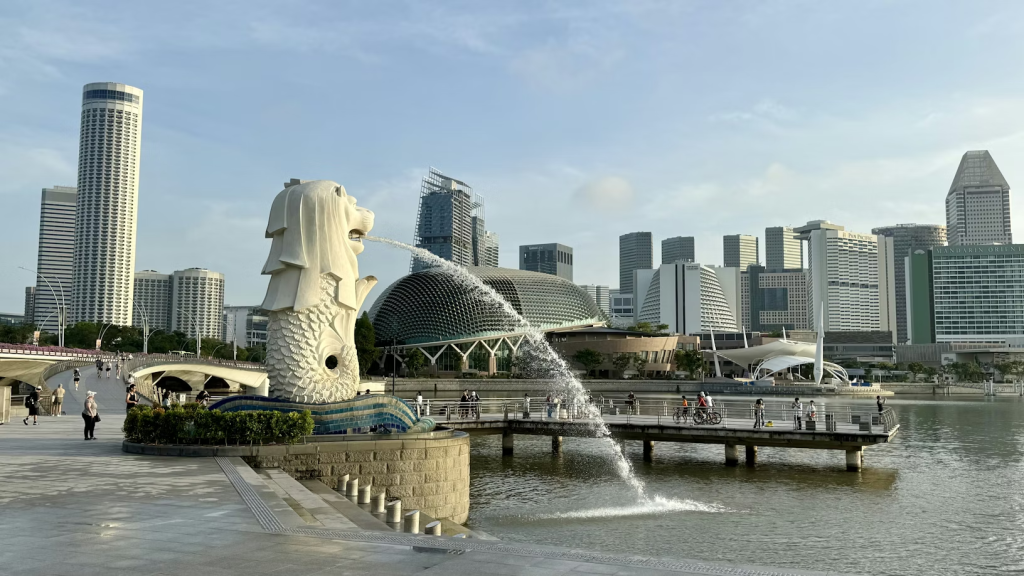
The performing arts hold an equally strong place within Singapore’s cultural life. Theatre productions, dance performances, musical concerts, and interdisciplinary stage works are presented throughout the year in major venues such as Esplanade – Theatres on the Bay. These performances reflect the city’s multicultural identity, often drawing from Chinese, Malay, Indian, and Western artistic traditions. Audiences can experience classical orchestras, contemporary drama, traditional dance forms, and experimental productions within the same cultural season. This broad programming allows performing arts institutions to appeal to different interests and age groups, strengthening public appreciation for live artistic expression. The city’s commitment to performance-based arts continues to support both established companies and independent creative groups.
Celebrating Heritage Through Festivals
Cultural festivals remain an important part of Singapore’s artistic identity. Many of these events highlight the traditions, craftsmanship, music, and ceremonial practices of the country’s major communities. Celebrations tied to Chinese New Year, Hari Raya, and Deepavali frequently include visual displays, performances, decorative arts, and handcrafted works that reflect long-standing cultural traditions. Lantern displays, traditional costumes, musical presentations, and community performances help preserve historical practices and pass them on to younger generations. These events serve not only as celebrations but also as public expressions of identity, memory, and shared heritage. Through these festivals, art becomes closely linked with community life and cultural continuity.
Contemporary Visual Arts and International Exchange
Singapore has built a strong reputation as a centre for contemporary visual arts in Asia. Events such as the Singapore Biennale have helped position the city as an important meeting point for artists, curators, and audiences from around the world. These large-scale exhibitions often present works that address social issues, identity, technology, migration, and environmental themes. By welcoming international participation, Singapore encourages artistic dialogue that moves across borders and disciplines. This exchange of ideas contributes to a richer cultural environment and supports the city’s standing within the global arts community. The presence of international exhibitions alongside local artistic initiatives gives the visual arts sector both depth and reach.
Opportunities for Emerging Artists
A healthy art scene depends on support for new voices, and Singapore has developed a strong foundation for emerging artists. Local art fairs, independent galleries, creative markets, and institutional programmes allow developing artists to present their work to wider audiences. Platforms such as the Affordable Art Fair have helped introduce new talent to collectors, critics, and members of the public. Educational institutions and specialised art schools contribute by providing structured training, mentorship, and exhibition opportunities. This connection between academic development and public presentation helps young artists refine their practice and build professional pathways. The result is an environment where artistic growth is supported through both learning and exposure.
Art and Digital Innovation
Technology has become an increasingly visible part of Singapore’s creative sector. Digital media, virtual reality, augmented reality, and projection mapping are now regularly incorporated into exhibitions and public events. These formats expand how audiences can experience artistic work, moving beyond traditional viewing methods. Online exhibitions and digital archives have made local art more accessible to international audiences, allowing participation from people outside the city. This use of technology reflects Singapore’s forward-looking cultural direction and its willingness to adapt artistic presentation to changing audience habits and expectations.
Conclusion
Singapore’s art scene presents a rich and well-rounded picture of cultural life, combining heritage, innovation, public participation, and international exchange. Its galleries, festivals, performances, and public installations show a city that places strong value on creative expression in many forms. By supporting established institutions, emerging talent, and new digital approaches, Singapore continues to strengthen its position as one of the region’s most compelling cultural destinations. The result is an art scene that remains engaging, accessible, and deeply connected to the city’s identity.